Toy Boy: Bold Typography for Playful Branding
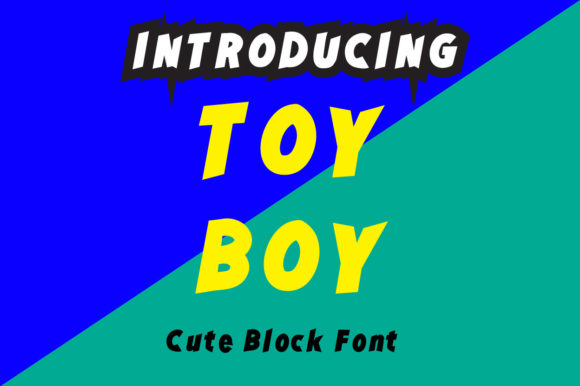
When you need to inject immediate energy and personality into a design, the right typeface can transform a static layout into a dynamic visual experience. Enter Toy Boy, a cool, bold, and thick lettered display font that commands attention without demanding excessive effort from the viewer. In an era where digital spaces are saturated with content, standing out requires more than just high-quality imagery; it demands a strong typographic voice. This font is not merely a collection of characters but a creative asset designed to bring a lovely touch to any project that needs a playful yet professional edge.
For graphic designers and creative directors, selecting the correct typography is often the most critical decision in establishing a brand’s tone. Toy Boy bridges the gap between whimsical cartoon aesthetics and modern commercial viability. Its substantial weight and rounded forms create a sense of approachability and fun, making it an ideal choice for brands that want to appear friendly, accessible, and energetic. Whether you are crafting a logo for a children’s game or designing a social media campaign for a lifestyle brand, this font offers the versatility needed to elevate your visual identity.
The Role of Display Fonts in Modern Visual Design
In the hierarchy of design elements, typography serves as the foundation of communication. While body text should be legible and unobtrusive, display fonts like Toy Boy act as the headline act. They capture the eye first, setting the emotional context for the rest of the design. A thick, bold letterform provides excellent visual weight, allowing it to compete effectively against complex backgrounds or intricate illustrations. This makes it particularly useful in environments where quick comprehension is key, such as advertising campaigns or packaging design.
Using a distinctive font helps establish a unique brand identity. When potential customers see a specific typeface repeatedly, they begin to associate its style with your company’s values. Toy Boy’s playful nature suggests innovation, creativity, and a lack of pretension. For businesses targeting families, educators, or entertainment sectors, this alignment is invaluable. It signals that the brand understands its audience and is willing to engage with them on a human, relatable level.
Practical Applications Across Creative Projects
The versatility of Toy Boy extends across various mediums, allowing designers to maintain consistency while adapting to different platforms. Here are some practical ways to integrate this font into your workflow:
- Branding and Logo Design: Use it for primary logos or wordmarks where memorability is essential. The bold strokes ensure it remains recognizable even at small sizes.
- Social Media Graphics: Create eye-catching headers and quote graphics for Instagram or Facebook. The font’s charm encourages engagement and shares.
- Packaging Design: Add a pop of color and personality to product labels, especially for toys, snacks, or craft supplies.
- Editorial and Web Design: Employ it as a display header in blog posts or landing pages to break up text-heavy layouts and guide the reader’s eye.
- Digital Products and Games: Perfect for user interface elements in casual games, providing clear instructions with a fun aesthetic.
Enhancing User Experience Through Thoughtful Typography
Good design is not just about looking good; it is about communicating effectively. When incorporating a heavy display font, it is crucial to balance it with lighter elements to maintain readability and visual harmony. Pair Toy Boy with clean, sans-serif body text to create contrast. This combination ensures that while the headlines grab attention, the information remains easy to digest. This principle of visual hierarchy is central to effective UI/UX design, guiding users through content without overwhelming them.
Consider the color palette when using this font. Because Toy Boy has significant visual mass, it can dominate a composition if used incorrectly. Experiment with vibrant colors to enhance its playful nature, or use muted tones for a more sophisticated, retro feel. The font’s structure allows it to adapt well to various color schemes, making it a flexible tool in your creative arsenal. Additionally, pay attention to spacing (kerning and leading); generous white space around bold letters prevents the design from feeling cluttered and enhances overall professionalism.
Ultimately, the success of any design project relies on the thoughtful selection of assets that align with the brand’s goals. Toy Boy offers a robust solution for creators seeking to add character and impact to their work. By leveraging its bold presence and versatile applications, designers can create compelling narratives that resonate with audiences. Investing in quality typography like Toy Boy ensures that your projects not only look polished but also communicate the right message with clarity and style.