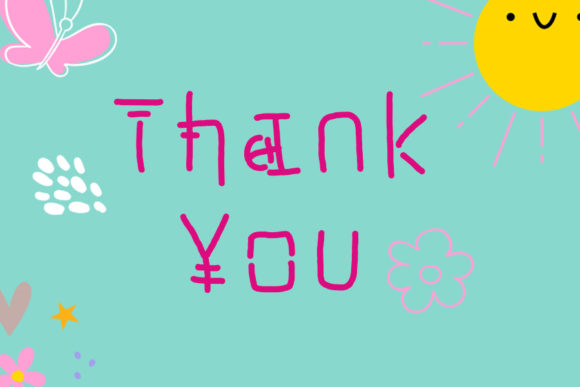
Summer Date: Strategic Typography for Playful Brand Positioning
In the landscape of visual communication, typography is rarely just about readability; it is a primary vehicle for brand personality. When selecting a typeface, decision-makers must weigh legibility against emotional resonance. Summer Date occupies a distinct niche in this spectrum. It is not a utilitarian workhorse like Helvetica or a formal serif like Garamond. Instead, Summer Date is a fun and playful display font characterized by extremely unique and peculiarly shaped letters. This typeface adds a modern look and injects a fun personality into designs, making it a strategic asset when deployed with intention.
For entrepreneurs, marketers, and creators, the choice of font signals intent before a single word is read. Using Summer Date requires a shift from purely functional design to experiential design. It suggests that the content associated with it is approachable, youthful, and unpretentious. However, its idiosyncratic nature means it cannot be used indiscriminately. To achieve better results in branding and customer experience, one must understand the specific contexts where Summer Date thrives and the pitfalls where it fails.
The Strategic Value of Personality-Driven Typography
Modern branding often struggles against a backdrop of corporate minimalism. Many industries are saturated with clean lines, sans-serif fonts, and muted color palettes designed to convey trust and stability. While effective, this approach can lead to visual homogenization. A brand seeking differentiation must sometimes lean into character rather than neutrality. This is where Summer Date becomes strategically useful.
The font’s peculiar letterforms create an immediate visual hook. For small business owners and hobbyists looking to establish a memorable identity, Summer Date offers a shortcut to distinctiveness. It communicates warmth and creativity without requiring complex graphic elements. In marketing materials, this can lower the barrier to entry for customers who may perceive overly professional or stiff designs as inaccessible. By using a font that feels human and slightly irregular, brands can foster a sense of community and relatability.
Furthermore, Summer Date supports long-term results by aiding in brand recall. Human memory is associative. A unique typographic style creates a stronger cognitive imprint than standard text. If a bakery uses Summer Date on its signage and packaging, the font itself becomes part of the brand’s narrative. It tells the consumer that the experience will be light-hearted and enjoyable. This alignment between visual tone and product promise is crucial for effective positioning.
Ideal Use Cases for Summer Date
To maximize the impact of Summer Date, it is essential to match its energy with appropriate use cases. The font excels in environments where attention-grabbing headlines and short bursts of text are prioritized over dense information. Below are specific scenarios where this typeface delivers high value.
- Event Marketing and Invitations: For pop-up shops, summer festivals, or casual networking events, Summer Date sets the right tone. Its playful curves suggest movement and joy, which aligns perfectly with time-sensitive, experience-based offerings.
- Social Media Graphics: In the fast-scrolling environment of Instagram or TikTok, bold and unique typography stops the thumb. Summer Date stands out against flat backgrounds, making it ideal for quote cards, promotional announcements, and behind-the-scenes content that aims to feel authentic and unpolished.
- Product Packaging for Lifestyle Brands: Consumer goods such as craft sodas, artisanal chocolates, or handmade jewelry benefit from the tactile feel of the font. On physical packaging, Summer Date adds a layer of perceived care and uniqueness, distinguishing the product on crowded shelves.
- Educational Materials for Younger Audiences: Educators and content creators targeting students or hobbyists can use Summer Date to make learning materials feel less intimidating. When explaining complex topics, a friendly font can reduce anxiety and increase engagement.
In these contexts, the font acts as a mood setter. It prepares the audience for content that is engaging, interactive, and focused on enjoyment. For freelancers and bloggers, this can translate to higher click-through rates and longer dwell times, as users feel more connected to the voice behind the words.
Operational Considerations and Risk Mitigation
While Summer Date offers significant creative benefits, relying on it without clear goals can lead to operational inefficiencies and brand dilution. The font’s peculiar shapes, while charming, can compromise legibility if misused. Decision-makers must recognize that display fonts are tools for emphasis, not for body copy.
One common risk is overuse. If every element of a website or brochure utilizes Summer Date, the design loses hierarchy. Users will struggle to distinguish between headings, subheadings, and critical information. This friction negatively impacts user experience (UX) and can drive potential customers away. To avoid this, adopt a paired-font strategy. Pair Summer Date with a highly neutral, readable sans-serif or serif font for body text. This contrast ensures that the playful personality does not interfere with comprehension.
Another consideration is industry appropriateness. Professionals in fields such as law, finance, healthcare, or cybersecurity should generally avoid Summer Date. In these sectors, trust is built through consistency, precision, and tradition. A playful font may inadvertently signal immaturity or lack of seriousness, undermining the credibility required for high-stakes decision-making. For these audiences, sticking to established, conservative typefaces is a safer strategic choice.
Additionally, consider scalability. Unique letterforms may lose their detail when scaled down to very small sizes, such as in mobile footers or tiny print labels. Always test Summer Date across various media and resolutions. If the peculiar shapes become muddy or illegible at smaller scales, the font fails its functional purpose. Planning for these technical constraints early in the design process saves time and resources during production.
Implementing Summer Date Intentionally
Achieving better results with Summer Date requires a deliberate workflow. Start by defining the core message you want to convey. Is it excitement? Nostalgia? Creativity? Once the emotional goal is clear, determine how Summer Date serves that objective. Do not select the font simply because it is trendy; select it because it aligns with your brand’s voice.
- Define Hierarchy: Use Summer Date exclusively for titles, logos, or key call-to-action buttons. Reserve neutral fonts for paragraphs, terms and conditions, and detailed descriptions. This separation maintains clarity while allowing the display font to shine.
- Maintain Consistency: If you choose Summer Date for your logo, ensure it appears consistently across all touchpoints. Whether on business cards, email signatures, or digital ads, consistent usage builds recognition. Inconsistent application confuses the audience and weakens brand equity.
- Balance with White Space: Because Summer Date has strong visual weight, give it room to breathe. Crowding the font with other busy elements diminishes its impact. Ample white space enhances the modern look and allows the unique shapes to be appreciated.
- Test Audience Reception: Before a full rebrand, conduct A/B testing with your target demographic. Show them designs featuring Summer Date alongside those using standard fonts. Gather feedback on perceived trustworthiness, appeal, and clarity. Data-driven decisions prevent subjective biases from clouding judgment.
For educators and trainers, integrating Summer Date into slide decks or handouts can break the monotony of traditional lectures. However, use it sparingly to highlight key takeaways or section breaks. This variation keeps the audience alert and reinforces important concepts through visual novelty.
Long-Term Impact on Brand Equity
Typography is a long-term investment. Changing fonts frequently can erode brand identity, making it difficult for customers to form lasting associations. By committing to Summer Date in appropriate contexts, businesses can build a cohesive and recognizable aesthetic over time. This consistency contributes to professional credibility, even when the font itself is playful.
Moreover, a well-executed typographic strategy supports productivity. When designers and marketers have a clear guideline on when and how to use Summer Date, they spend less time debating stylistic choices and more time executing campaigns. Clear rules streamline operations, allowing teams to focus on strategic outcomes rather than aesthetic debates.
Ultimately, the goal is not just to create something that looks good, but to create something that works. Summer Date works best when it enhances the message rather than distracting from it. By understanding its strengths and limitations, professionals can leverage this unique typeface to communicate more effectively, connect more deeply with their audience, and achieve sustainable growth. In a world dominated by generic templates, choosing Summer Date intentionally is a statement of confidence—a declaration that your brand is willing to be seen, heard, and remembered.
As you plan your next creative project, ask yourself: Does my audience need seriousness, or do they need connection? If the latter, Summer Date may be the perfect tool to bridge the gap between your brand and your customers. Use it wisely, pair it thoughtfully, and let its unique personality amplify your message.