Nonplussed: Elevating Your Brand Identity with Playful Typography
In the fast-paced world of visual communication, first impressions are everything. Whether you are designing a logo for a new coffee shop, creating an invitation for a milestone birthday, or crafting packaging for a boutique skincare line, the typography you choose speaks volumes before a single word is read. This is where Nonplussed steps in as a versatile and engaging solution. As a casual and playful display font, Nonplussed offers designers and business owners a unique way to inject personality, warmth, and approachability into their projects.
For many creatives, finding a typeface that balances professionalism with fun can be a challenge. Serif fonts often feel too traditional, while standard sans-serifs can appear sterile. Nonplussed bridges this gap perfectly. It is designed to capture attention without shouting, offering a distinct character that helps brands stand out in crowded marketplaces. If you are looking to humanize your brand or create a memorable visual identity, understanding how to leverage this specific typeface is a crucial step in your design process.
Understanding the Appeal of Casual Display Fonts
Before diving into the specific applications of Nonplussed, it is important to understand why casual display fonts have become so prevalent in modern branding. In an era where consumers crave authenticity and connection, rigid and formal typography can sometimes create a barrier between a brand and its audience. Casual fonts, by contrast, suggest accessibility, friendliness, and creativity.
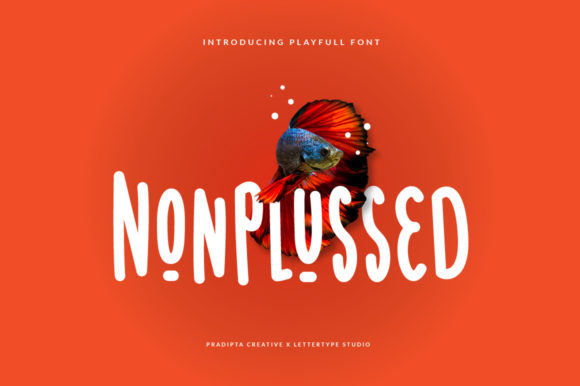
Nonplussed exemplifies this trend. Its name itself suggests a sense of surprise or confusion, but visually, it provides clarity and charm. The font’s irregularities and hand-drawn aesthetic mimic the natural flow of handwriting, which psychologically triggers a sense of trust and familiarity. When used correctly, Nonplussed does not just convey information; it conveys mood. It tells the viewer that the brand behind the message is likely innovative, relaxed, and attentive to detail.
Key Applications for Nonplussed
The versatility of Nonplussed allows it to shine across a variety of mediums. Below are some of the most effective ways to utilize this font to achieve specific design goals.
Brand Logos and Logotypes
A logo is the face of your business, and it needs to be instantly recognizable. Nonplussed works exceptionally well for logotypes because its unique letterforms create a distinctive silhouette. Unlike generic fonts that blend into the background, Nonplussed demands attention. For startups in the tech, lifestyle, or creative industries, using Nonplussed in a primary logo can signal that the company is modern and user-centric. However, it is crucial to ensure legibility at smaller sizes, as display fonts are best suited for larger formats.
Apparel and Merchandise Design
The fashion and merchandise industry thrives on self-expression. T-shirts, tote bags, and hats are walking billboards for personal style and brand allegiance. Nonplussed adds a layer of whimsy and edge to apparel designs. Whether you are designing a graphic tee for a music festival or custom merch for a corporate retreat, this font brings a playful energy that resonates with younger demographics. Its casual nature makes it perfect for slogans that aim to be catchy rather than serious.
Invitations and Event Branding
Events set the tone for experiences, and typography plays a pivotal role in setting that stage. For weddings, baby showers, or corporate galas, the choice of font communicates the level of formality. Nonplussed is ideal for events that want to break away from stiff tradition. Imagine a wedding invitation suite where the couple’s names are rendered in Nonplussed—it immediately suggests a celebration that is joyful, informal, and focused on community. Similarly, for product launches or pop-up shops, this font can create a sense of excitement and exclusivity.
Packaging and Advertising
In retail, packaging is often the only touchpoint a customer has with a product before purchase. Shelf space is competitive, and products need to grab attention quickly. Nonplussed can help a product stand out on a shelf filled with uniform, corporate-looking competitors. For advertising campaigns, particularly those targeting social media platforms like Instagram or Pinterest, bold and playful typography performs well. It stops the scroll and encourages engagement.
Strategic Implementation and Best Practices
While Nonplussed is a powerful tool, it requires thoughtful implementation to avoid common design pitfalls. Here are several recommendations to ensure you get the most out of this typeface.
- Pairing is Key: Because Nonplussed is a display font, it should generally be used for headlines, titles, or short phrases rather than body text. Pair it with a clean, neutral sans-serif or serif font for longer passages of text. This contrast ensures readability while allowing Nonplussed to serve as the visual anchor.
- Mind the Context: Not every brand voice benefits from playfulness. If you are in a highly regulated industry like finance or healthcare, use Nonplussed sparingly and strategically. It might work well for a blog post header or a social media graphic, but perhaps not for legal disclaimers or critical safety warnings.
- Whitespace is Your Friend: Display fonts often have unique shapes and internal spacing. Give Nonplussed plenty of breathing room. Crowding the letters together can diminish its impact and make the design look cluttered. Ample whitespace enhances the elegance and readability of the playful forms.
- Consider Color and Texture: The effectiveness of Nonplussed can be amplified by thoughtful color choices. Soft pastels can enhance its gentle, inviting nature, while bold, high-contrast colors can emphasize its energetic and dynamic qualities. Don’t be afraid to experiment with textures, such as grain or noise overlays, to give the font a tactile feel.
Tailoring the Approach to Different Audiences
Different users may approach the use of Nonplussed in distinct ways depending on their specific goals. A freelance graphic designer might focus on the artistic flexibility of the font, experimenting with kerning and ligatures to create custom typographic art. They might use it to build a portfolio piece that showcases their ability to handle expressive typefaces.
On the other hand, a small business owner might view Nonplussed through a lens of practical marketing. They might prioritize consistency across all touchpoints, ensuring that the font appears in the same weight and color on their website, email newsletters, and physical store signage. For them, the value lies in building a cohesive brand identity that feels approachable to customers.
Even within these groups, there are variations. A startup founder might use Nonplussed to signal disruption and innovation, aiming to attract early adopters who value creativity. Meanwhile, a local bakery might use it to evoke nostalgia and homemade quality, appealing to community-minded patrons. Understanding your specific audience is essential to deploying Nonplussed effectively.
Conclusion: Making a Lasting Impression
Typography is more than just arranging letters; it is about conveying emotion and guiding the viewer’s experience. Nonplussed offers a compelling option for those seeking to add a touch of casual elegance and playful sophistication to their designs. By understanding its strengths and applying it strategically, you can create materials that not only inform but also connect with your audience on a deeper level.
Whether you are refreshing an existing brand or launching something entirely new, taking the time to explore the nuances of fonts like Nonplussed can yield significant returns. It transforms static text into a dynamic element of your visual strategy, helping you communicate your unique story with clarity and charm. Start experimenting with Nonplussed today, and discover how a little bit of playfulness can go a long way in capturing attention and building loyalty.