Story Art: Elevating Visual Communication with Playful Typography
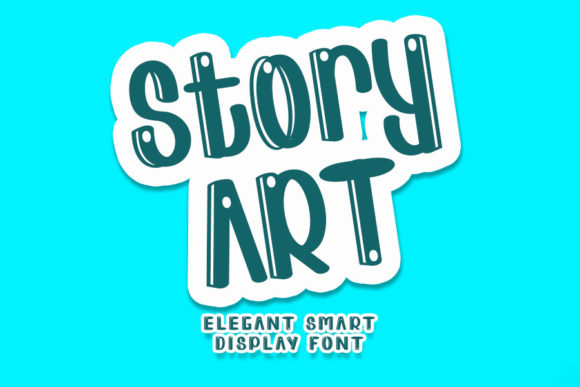
In a digital landscape saturated with standardized sans-serifs and rigid geometric typefaces, finding a font that commands attention while maintaining approachability can feel like searching for a needle in a haystack. This is where Story Art enters the conversation. It is not merely a collection of glyphs; it is a distinct visual voice characterized by its cool, bubbly aesthetic. For designers, marketers, and creators alike, incorporating Story Art into your workflow offers more than just decorative flair—it provides a strategic tool to soften brand messaging, enhance readability in specific contexts, and inject personality into otherwise sterile layouts.
The appeal of Story Art lies in its versatility despite its specific stylistic constraints. While many display fonts struggle to balance legibility with artistic expression, Story Art manages to remain readable even at smaller sizes when used correctly, all while projecting an image of friendliness and modernity. Whether you are designing a social media campaign for a lifestyle brand or creating educational materials for young adults, understanding how to leverage this font can significantly impact how your audience perceives your content.
Understanding the Visual Impact of Bubbly Typography
To appreciate the utility of Story Art, one must first understand the psychology behind "bubbly" typography. Rounded edges and soft curves are subconsciously associated with safety, comfort, and approachability. In contrast to sharp serifs or aggressive block letters, these shapes reduce visual tension. When you use Story Art, you are signaling to your reader that the content is accessible and non-threatening. This is particularly valuable in industries such as wellness, education, children’s products, and creative services, where building trust and rapport is paramount.
However, the term "cool" in the description of Story Art suggests a contemporary edge. It avoids being overly childish or saccharine. Instead, it strikes a balance that appeals to adults aged 20–50 who appreciate design nuance. A freelancer working on a branding package for a boutique coffee shop, for instance, might find that Story Art captures the essence of a cozy yet trendy atmosphere better than a traditional script or a heavy bold sans-serif. The font adds a layer of sophistication through its playful nature, suggesting that the brand does not take itself too seriously but still values quality.
Enhancing Brand Identity Through Consistency
One of the most practical applications of Story Art is in strengthening brand identity. Consistency across platforms is crucial for recognition, but consistency does not have to mean monotony. By using Story Art as a primary display font for headlines, logos, or key marketing messages, you create a recognizable visual anchor. Imagine a small business owner launching a new line of handmade candles. Using Story Art for the product names on labels creates a cohesive look that feels both artisanal and modern. This consistency helps consumers instantly identify the brand across packaging, websites, and social media posts.
Furthermore, Story Art can serve as a unifying element in multi-channel campaigns. If your email newsletters, blog headers, and Instagram graphics all utilize the same distinctive typeface, you reinforce brand recall. The unique shape of the letters acts as a subtle logo, differentiating your content from competitors who may be relying on more generic typographic choices. This differentiation is essential in crowded markets where standing out is half the battle.
Practical Applications Across Different Industries
The adaptability of Story Art means it can be integrated into various professional contexts without feeling out of place. Let’s explore how different groups might benefit from adding this font to their library.
- Marketers and Content Creators: For those constantly churning out blog posts and social content, Story Art can break up text-heavy pages. Using it for pull quotes or section headers draws the eye and encourages skimming, which improves user engagement metrics. Its bubbly nature keeps the reading experience light and enjoyable, reducing bounce rates.
- Educators and Trainers: In the realm of online courses or workshop materials, clarity and engagement are key. Story Art can be used to highlight important concepts or create visually appealing worksheets. The friendly aesthetic helps lower anxiety for learners, making complex topics feel more manageable and inviting.
- Freelancers and Designers: For independent creatives, having a specialized font like Story Art expands the range of projects they can accept. A client asking for a "fun yet professional" vibe might specifically request this style. Having it readily available allows freelancers to deliver high-quality results quickly, enhancing their reputation for versatility.
- Publishers and Bloggers: Personal blogs and niche publications often thrive on personality. Story Art can give a personal touch to author bios, newsletter sign-up banners, or special edition covers. It signals to readers that the content creator is passionate and personable, fostering a stronger community connection.
Solving Common Design Challenges
Designers often face the challenge of balancing creativity with functionality. Story Art addresses this by offering a display font that doesn’t sacrifice readability entirely. However, it requires thoughtful placement. Unlike body text fonts, Story Art should primarily be used for short phrases, titles, or emphasis. Attempting to set long paragraphs in Story Art would hinder comprehension and fatigue the reader. Recognizing this limitation is part of mastering the font.
Another common issue is color contrast. Because Story Art has a distinct character, pairing it with the right background colors is crucial. Light backgrounds generally work best to let the white space within the bubbles shine, while dark backgrounds can create a striking, neon-like effect depending on the color choice. Experimenting with complementary colors can elevate the overall presentation, making simple designs pop without needing additional graphical elements.
Strategic Integration into Your Workflow
Integrating Story Art into your existing toolkit doesn’t require a complete overhaul of your design process. Start by identifying moments in your current projects where tone needs adjustment. Are your emails feeling too corporate? Try replacing a standard header with Story Art to see if it shifts the perceived warmth of the message. Is your website landing page lacking personality? Use the font for the main value proposition headline to grab attention immediately.
It is also wise to pair Story Art with neutral supporting fonts. Since Story Art is a statement font, it works best when balanced by simpler, understated typefaces for body copy. A clean sans-serif or a classic serif can provide the necessary structure and readability, allowing Story Art to take center stage where it matters most. This combination ensures that your design remains professional while still delivering that unique, bubbly charm.
Consider the context of your audience as well. While Story Art is versatile, it may not be suitable for highly formal industries such as law, finance, or healthcare compliance documents. In these fields, authority and precision are prioritized over playfulness. Being discerning about when to use Story Art demonstrates professional maturity and ensures that your typographic choices align with your communication goals.
Maximizing Creativity Without Compromising Clarity
The ultimate goal of any design asset is to facilitate communication, not obscure it. Story Art achieves this by acting as a visual cue rather than a barrier. Its unique shape invites curiosity, prompting the viewer to pause and engage with the message. For entrepreneurs and hobbyists looking to launch side projects or passion businesses, this engagement can be the difference between being scrolled past and being remembered.
Moreover, Story Art can inspire creativity beyond typography. The bubbly forms can influence other design elements, such as iconography, button shapes, and layout structures. Adopting a consistent visual language based on the font’s characteristics can lead to more cohesive and polished final products. This holistic approach to design saves time in the long run, as decisions about color, shape, and spacing become more intuitive when guided by a central theme.
In conclusion, Story Art is more than just a cool and bubbly display font; it is a strategic asset for anyone looking to elevate their visual communication. By understanding its strengths, limitations, and ideal use cases, professionals and creators can harness its potential to build stronger connections with their audiences. Whether you are refining a brand identity, designing educational content, or simply wanting to add a touch of personality to your daily communications, Story Art offers a reliable and effective solution. Adding it to your font library is a small step that can yield significant improvements in how your work is perceived and received.