Orlager: A Strategic Approach to Futuristic Typography in Design Workflows
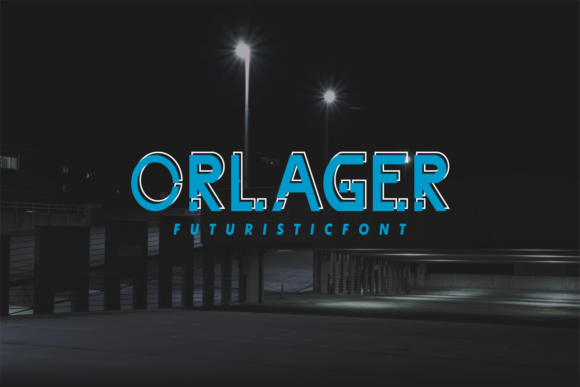
In the landscape of digital and print design, typography is rarely just about readability; it is a primary vehicle for brand identity and user experience. When a project demands a specific aesthetic—one that signals innovation, technology, or forward-thinking momentum—the choice of typeface becomes a critical decision point in the creative workflow. Orlager emerges as a distinct solution in this category. Described as a cool, bold, and futuristic display font, Orlager is not merely an aesthetic choice but a functional tool designed to elevate visual hierarchy in high-impact contexts.
For professionals ranging from web designers and marketers to entrepreneurs and educators, integrating Orlager into a project requires more than simply selecting it from a dropdown menu. It involves understanding its structural characteristics, its compatibility with other design elements, and how it interacts with the broader goals of a campaign or product launch. This article explores the practical implementation of Orlager, focusing on how it fits into real-world workflows for web designs, business cards, and diverse creative assets.
Understanding the Architecture of Orlager
To use Orlager effectively, one must first analyze its typographic DNA. As a display font, Orlager is engineered for impact at larger sizes rather than body text readability. Its "cool" and "futuristic" descriptors are not arbitrary marketing terms but reflections of its geometric construction and angular precision. The bold weight provides substantial visual presence, allowing it to command attention without requiring excessive sizing.
This structural boldness makes Orlager particularly suitable for environments where immediate recognition is paramount. In a crowded digital feed or a physical trade show booth, the sharp lines and modern silhouette of Orlager cut through visual noise. However, this strength also dictates its limitations. Unlike humanist sans-serifs that offer warmth and approachability, Orlager conveys authority, precision, and technological sophistication. Recognizing this tonal shift is essential during the planning phase of any design project.
The Role of Contrast in Implementation
A common pitfall in using strong display fonts like Orlager is failing to balance their intensity. Because Orlager is visually dominant, it requires complementary elements to maintain harmony. In a web design context, this means pairing Orlager with highly legible, neutral sans-serif fonts for body copy. The contrast between the futuristic headline and the utilitarian body text creates a dynamic tension that guides the user’s eye.
Similarly, in print materials such as business cards, the interplay between Orlager and negative space is crucial. The bold nature of the font can easily overwhelm a small format if not managed carefully. Designers should leverage ample white space around Orlager text to let the character shapes breathe. This approach ensures that the futuristic aesthetic does not feel cluttered or aggressive, but rather refined and intentional.
Orlager in Digital Ecosystems
Web design represents one of the most significant application areas for Orlager. For startups, tech firms, and creative agencies, establishing a digital presence that feels current and innovative is a constant challenge. Orlager serves as a strategic asset in this effort, providing a visual anchor that communicates modernity.
Integration with User Interface (UI) Design
When integrating Orlager into UI/UX workflows, several technical considerations come into play. First, font loading performance must be addressed. Display fonts often have complex glyph sets, which can impact page load times if not optimized. Utilizing subsetted web fonts or ensuring proper caching strategies helps maintain the sleek experience that Orlager promises.
- Header Hierarchy: Use Orlager for H1 and H2 tags to establish clear visual hierarchy. Its bold weight naturally draws the eye, reducing cognitive load for users scanning content.
- Call-to-Action (CTA) Buttons: While less common for button text due to legibility concerns, Orlager can be used sparingly for short, punchy CTAs where brand voice is prioritized over standard usability conventions.
- Responsive Scaling: Test Orlager across various screen sizes. Its futuristic geometry may render differently on high-DPI displays versus standard monitors. Ensure that kerning and letter-spacing remain consistent to preserve the intended aesthetic.
Physical Touchpoints: Business Cards and Print Media
While digital interfaces dominate daily interactions, physical touchpoints remain vital for professional networking and brand memorability. Orlager’s bold and futuristic character translates exceptionally well to print media, offering a tactile and visual distinction from competitors who rely on traditional serif or standard sans-serif fonts.
Strategic Use in Brand Collateral
For freelancers, consultants, and small business owners, a business card is often the first tangible interaction with a potential client. Using Orlager here signals a commitment to innovation and attention to detail. However, the execution must be precise. The font’s unique shape should be highlighted through high-quality printing techniques, such as embossing, foil stamping, or spot UV coating.
Consider the following implementation strategy for print projects:
- Paper Selection: Choose a paper stock that complements the futuristic vibe. Matte black or textured heavy-weight papers can enhance the contrast and depth of Orlager’s bold strokes.
- Color Palette: Pair Orlager with monochromatic or neon accent colors to reinforce the futuristic theme. Avoid overly warm or earthy tones unless deliberately contrasting for artistic effect.
- Layout Simplicity: Let the font do the heavy lifting. Minimalist layouts with large Orlager headlines prevent visual fatigue and ensure the message is received clearly.
Workflow Integration and Asset Management
Integrating Orlager into a team or personal workflow requires systematic organization. Fonts are assets that need to be version-controlled, licensed correctly, and easily accessible to all stakeholders involved in a project. Poor asset management can lead to inconsistencies, such as different teams using slightly different weights or fallback fonts that break the design intent.
Best Practices for Team Collaboration
For agencies and distributed teams, establishing a shared style guide is essential. Documenting the specific usage rules for Orlager ensures consistency across all deliverables. This includes defining minimum sizes, recommended pairings, and color constraints. By creating a standardized protocol, teams reduce the risk of misapplication and maintain a cohesive brand identity.
Additionally, consider the licensing implications. Display fonts like Orlager often have specific license terms regarding web embedding, print runs, and commercial use. Before finalizing any project, verify that the purchased license covers all intended uses. This step prevents legal complications and ensures long-term usability of the asset.
Expanding Creative Horizons
Beyond standard web and print applications, Orlager offers versatility in emerging mediums and niche markets. Educators and bloggers can use it to create engaging social media graphics that stand out in algorithmic feeds. Hobbyists and makers can incorporate it into DIY projects, such as laser-cut signage or 3D-printed objects, where its geometric precision aligns well with manufacturing processes.
Furthermore, Orlager’s futuristic appeal makes it suitable for events, conferences, and product launches centered around technology, gaming, or science fiction themes. In these contexts, the font acts as a cultural signifier, instantly communicating the genre and tone of the event to attendees.
Quality Control and Iteration
Regardless of the medium, quality control remains a non-negotiable part of the process. Always proofread text set in Orlager, as its stylized forms can sometimes obscure characters or create unintended word shapes. Conduct accessibility checks to ensure sufficient contrast ratios, especially when using lighter variants or colored backgrounds. Regularly review designs against the original brief to ensure Orlager enhances, rather than distracts from, the core message.
Conclusion: A Tool for Intentional Design
Orlager is more than just a font; it is a strategic element in the designer’s toolkit. Its cool, bold, and futuristic qualities make it ideal for projects that require a unique touch and a strong visual statement. By understanding its architectural strengths, respecting its limitations, and integrating it thoughtfully into broader workflows, professionals can leverage Orlager to create impactful, memorable, and effective designs.
Whether you are crafting a new website, redesigning your business card, or launching a product campaign, Orlager offers a pathway to elevate your visual communication. The key lies in preparation, consistency, and a clear understanding of how typography serves the overall goal. With careful implementation, Orlager can transform ordinary designs into extraordinary experiences, bridging the gap between aesthetic appeal and functional clarity.