Rabbit Cute: A Strategic Approach to Playful Typography
In the landscape of digital design and visual communication, typography is rarely just about readability; it is a primary driver of brand personality and emotional resonance. While many designers gravitate toward neutral sans-serifs for their versatility, there are specific moments when a distinct character is required to cut through the noise. Rabbit Cute is a display font that embodies this need, offering a playful and jolly aesthetic that stands apart from standard corporate palettes. Its natural and unique style makes it incredibly fitting for a large pool of designs, but its effectiveness depends entirely on strategic application rather than decorative impulse.
This article explores how Rabbit Cute can be integrated into professional workflows, branding strategies, and creative projects. We will examine the balance between whimsy and professionalism, providing practical guidance for entrepreneurs, marketers, educators, and creators who wish to leverage this typeface for better results without compromising clarity or credibility.
Understanding the Visual Identity of Rabbit Cute
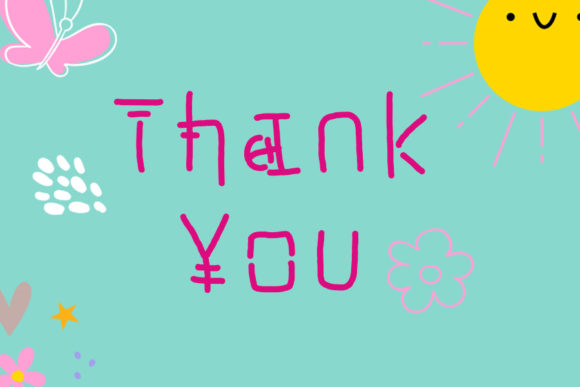
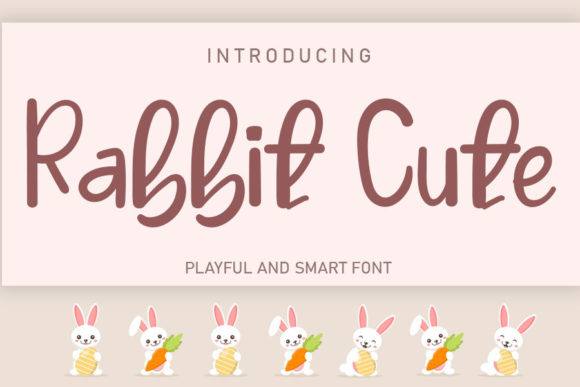
To use any typeface effectively, one must first understand its inherent voice. Rabbit Cute is not designed for dense body text or technical documentation. Instead, it functions as a display font, meaning its purpose is to attract attention and convey mood at larger sizes. The font’s characteristics—rounded edges, irregular baselines, and a hand-drawn feel—evoke feelings of approachability, joy, and informality.
For decision-makers in small businesses or freelance operations, recognizing this distinction is critical. Using Rabbit Cute for long-form content can hinder user experience (UX) by reducing legibility and increasing cognitive load. However, when applied to headlines, logos, packaging labels, or social media graphics, it serves as a powerful tool for differentiation. It signals to the audience that the brand is human-centric, creative, and perhaps a bit unconventional. This aligns with modern consumer preferences for authenticity over sterile perfection.
The "natural" aspect of its style suggests an organic quality, which can be particularly effective for brands in the food, lifestyle, education, or children’s product sectors. It avoids the rigidity of geometric fonts, offering instead a sense of warmth that can foster trust and engagement.
Strategic Positioning Through Tone
Typography is a silent communicator. Before selecting Rabbit Cute, ask what tone you wish to project. If your goal is to establish authority in a highly regulated industry such as finance or law, this font may undermine your positioning. Conversely, if you are launching a boutique bakery, a creative agency, or an educational blog aimed at parents, the jolly nature of Rabbit Cute reinforces your value proposition.
- Approachability: Use the font to lower barriers between your brand and your audience.
- Creativity: Signal that your work involves innovation and out-of-the-box thinking.
- Youthfulness: Appeal to younger demographics or those seeking a lighthearted experience.
By aligning the font choice with your strategic goals, you ensure that every visual element contributes to a cohesive narrative rather than acting as a disjointed decoration.
Practical Applications in Design and Branding
The versatility of Rabbit Cute lies in its ability to adapt to various contexts, provided the usage remains intentional. Below are several high-value applications where this font can enhance outcomes.
Brand Identity and Logo Design
For small business owners and startups, establishing a memorable identity is paramount. Rabbit Cute can serve as the cornerstone of a logo for brands that want to appear friendly and accessible. Consider a pet care service, a toy store, or a handmade jewelry shop. In these cases, the font’s unique style helps create instant recognition. However, ensure that the logo remains scalable and legible across different mediums, from mobile app icons to large-scale signage.
Marketing Materials and Social Media
In the crowded space of social media, static images often fail to capture attention. Incorporating Rabbit Cute into headers, quotes, or call-to-action buttons can increase click-through rates by adding visual interest. Marketers should use the font sparingly within these assets. For example, using it for a single headline while keeping supporting text in a neutral sans-serif creates a hierarchy that guides the eye effectively.
Bloggers and publishers can also benefit from this approach. When writing about topics like hobbies, travel, or personal development, Rabbit Cute can break up monotony and inject personality into the reading experience. It transforms a standard post into something that feels curated and crafted.
Educational Content and Presentations
Educators and trainers face the challenge of keeping audiences engaged. Text-heavy slides or handouts can lead to disengagement. By using Rabbit Cute for key concepts, titles, or interactive elements, presenters can make learning more enjoyable. This is particularly relevant for materials aimed at younger students or informal workshops where a relaxed atmosphere encourages participation.
Decision-Making Guidelines for Implementation
Adopting a new typeface requires careful planning to avoid common pitfalls. The following guidelines help ensure that Rabbit Cute supports your objectives rather than detracting from them.
- Define the Context: Always start with the end in mind. Ask whether the project requires formality or fun. If the answer leans toward seriousness, reconsider the font choice.
- Maintain Readability: Limit the use of Rabbit Cute to short strings of text. Avoid paragraphs or complex data sets. If users struggle to read your message, the design has failed regardless of its aesthetic appeal.
- Pair Wisely: Combine Rabbit Cute with complementary fonts. A clean, simple sans-serif or serif works best as a secondary font to balance the playfulness of the display type. This contrast enhances both fonts’ strengths.
- Test Across Devices: Ensure the font renders correctly on all target platforms. Some display fonts lose their charm or become illegible on low-resolution screens.
Avoiding Common Risks
One of the primary risks of using distinctive fonts like Rabbit Cute is overuse. When every element of a design uses the same playful typeface, the result can appear chaotic or unprofessional. This dilutes the impact of the font and confuses the viewer about what information is most important.
Additionally, be mindful of cultural associations. While "cute" is generally positive, it may not resonate with all demographics. Older audiences or those in traditional industries might perceive the font as immature or lacking substance. Conducting user testing or gathering feedback from your target audience can help validate whether Rabbit Cute aligns with their expectations.
Long-Term Value and Consistency
Sustainable design relies on consistency. Once you decide to incorporate Rabbit Cute into your brand toolkit, document its usage rules. Create a style guide that specifies when and how the font should be used. This ensures that all team members, freelancers, and partners maintain a unified look and feel.
Consistency builds trust. When customers encounter the same playful yet professional aesthetic across your website, emails, and packaging, they begin to associate those qualities with your brand. Over time, this strengthens brand equity and aids in customer retention.
Furthermore, consider the longevity of the trend. While Rabbit Cute offers a current sense of whimsy, trends shift. To future-proof your designs, focus on core principles like clarity and hierarchy. Let the font add flavor, but let structure provide the foundation. This balanced approach ensures that your designs remain effective even as visual styles evolve.
Conclusion
Rabbit Cute is more than just a pretty typeface; it is a strategic asset for designers and communicators who understand the power of tone. Its playful and jolly appearance makes it ideal for projects that aim to connect emotionally with their audience. However, its success depends on thoughtful integration. By respecting its limitations, pairing it wisely, and aligning it with clear business goals, you can harness its potential to create designs that are not only visually appealing but also strategically sound.
Remember, the limit is your imagination, but the responsibility lies in your execution. Use Rabbit Cute intentionally to enhance your message, engage your audience, and achieve better results in your creative endeavors.