Old Sketch: Strategic Typography for Bold, Whimsical Branding
In a digital landscape saturated with clean sans-serifs and rigid geometric typefaces, standing out requires more than just good content; it requires distinct visual identity. Old Sketch is not merely a decorative choice—it is a strategic tool for designers, entrepreneurs, and creators who need to inject personality, nostalgia, and immediate attention into their work. As a cool, bold yet whimsical display font, Old Sketch offers a unique opportunity to make designs come alive, transforming static layouts into dynamic conversations.
This article explores the practical application of Old Sketch in professional contexts. We will move beyond aesthetics to discuss how this chunky lettered font supports brand positioning, enhances communication clarity, and drives engagement when used with intention. Whether you are a small business owner crafting a logo or a marketer designing a campaign asset, understanding the strategic weight of your typographic choices is essential for long-term results.
The Strategic Value of Distinctive Display Fonts
Typography is the voice of your design. Just as tone of voice affects how an audience perceives a message, font selection influences emotional response and readability. Most modern web design trends favor minimalism, often leading to a homogenized look where brands struggle to differentiate themselves. This is where a character-driven font like Old Sketch becomes a competitive advantage.
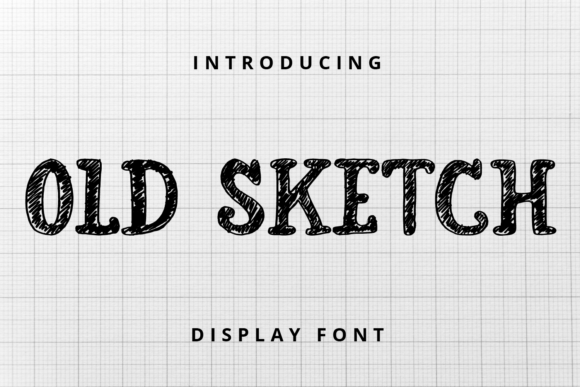
Old Sketch is defined by its chunky, hand-drawn aesthetic. It evokes the feeling of street art, vintage signage, or playful editorial illustrations. This whimsical nature serves several strategic functions:
- Immediate Attention Capture: In crowded feeds or busy dashboards, a bold, irregular typeface breaks the visual pattern, drawing the eye before the user even reads the headline.
- Brand Personality Projection: It signals approachability, creativity, and confidence. It tells the audience that your brand does not take itself too seriously but remains professional enough to deliver value.
- Nostalgic Connection: The "sketch" quality taps into a sense of authenticity and craftsmanship, appealing to consumers who value human touch over automated perfection.
However, using such a strong font requires discipline. The goal is not to use Old Sketch everywhere, but to use it where it amplifies your core message. When applied strategically, it can elevate branding efforts from generic to memorable.
When to Deploy Old Sketch in Your Design Workflow
Decision-making in design is often about knowing what not to do. Old Sketch is a display font, meaning it is designed for impact at large sizes, not for body text. Misusing it for paragraphs or long-form content will result in poor readability and cognitive fatigue for the reader. To achieve better results, align the font with specific high-impact moments in your communication strategy.
Headlines and Hero Sections
The most effective use case for Old Sketch is in primary headlines, hero banners, and promotional headers. Here, the font’s bold weight ensures visibility, while its whimsical curves add warmth. For example, a freelancer launching a new portfolio website might use Old Sketch for their main tagline. This immediately communicates creativity and sets a welcoming tone before the visitor dives into detailed service descriptions set in a neutral, readable sans-serif.
Event Marketing and Limited-Time Offers
For marketers and event organizers, creating a sense of urgency and excitement is crucial. Old Sketch works exceptionally well for flyers, social media graphics, and email subject lines related to launches, sales, or community events. Its energetic vibe matches the tempo of time-sensitive campaigns. A local coffee shop could use it on a weekend special poster to create a fun, inviting atmosphere that encourages foot traffic.
Logo Design and Brand Marks
Entrepreneurs and small business owners looking for a distinctive logo mark may find Old Sketch invaluable. If your brand values playfulness, artisanal quality, or creative disruption, incorporating Old Sketch into a logotype can establish instant recognition. Consider a boutique clothing line or a creative agency; the font adds a layer of texture that flat, standard fonts lack. Ensure, however, that the logo remains legible across different scales, from mobile app icons to large storefront signage.
Planning for Long-Term Brand Consistency
Using Old Sketch effectively requires planning beyond the immediate project. A common mistake is treating typography as a one-off decoration rather than part of a cohesive system. To support long-term goals, integrate Old Sketch into a broader typographic hierarchy.
Start by defining the role of Old Sketch in your style guide. Is it a secondary accent font? A primary display font for specific campaigns? Document these rules to ensure consistency across all touchpoints, including websites, print materials, and social media profiles. Consistency builds trust; inconsistency creates confusion.
Pairing is another critical element of planning. Old Sketch has strong visual weight and character. Pairing it with a clean, neutral font—such as a simple sans-serif or a classic serif—creates balance. The neutral font handles the heavy lifting of information delivery (body copy, navigation, legal text), while Old Sketch provides the emotional hook. This combination allows you to maintain professionalism while injecting creativity.
- Audit Your Current Assets: Identify where your current designs feel too sterile or generic.
- Select Key Touchpoints: Choose 2–3 high-visibility areas (e.g., homepage header, newsletter banner) to introduce Old Sketch.
- Test for Readability: Ensure the font size is large enough to be legible and that contrast ratios meet accessibility standards.
- Gather Feedback: Share designs with colleagues or target users to gauge if the whimsical tone aligns with your brand’s perceived value.
Risks and Pitfalls to Avoid
Even the best tools can backfire if used without clear context. Relying on Old Sketch randomly or excessively can undermine your credibility. Understanding these risks helps you make smarter decisions and protect your brand’s reputation.
Overuse Leads to Visual Noise
If every element on a page uses Old Sketch, the design loses its focal point. The brain cannot prioritize information when everything screams for attention equally. This leads to decision paralysis for the user. Limit Old Sketch to key messages. Let other elements breathe. The power of the font lies in its scarcity; when used sparingly, it commands respect.
Mismatched Tone and Industry
While Old Sketch is versatile, it may not suit every industry. A law firm, a medical clinic, or a financial institution might find the whimsical nature of Old Sketch inappropriate for conveying seriousness and trust. In these sectors, clarity and stability are paramount. Using a playful sketch font could inadvertently signal a lack of professionalism. Always ask: Does this font reflect the values my customers expect from me?
Lack of Scalability
Display fonts often lose their character when scaled down. A bold, chunky letterform that looks great on a billboard may become illegible or muddy on a small mobile screen. Before finalizing any design, test Old Sketch at various sizes. If it fails to communicate clearly on smaller devices, consider using it only for larger formats or switching to a simpler alternative for responsive contexts.
Enhancing Communication Through Intentional Design
At its core, design is communication. Old Sketch is a powerful medium for conveying specific emotions and ideas. By approaching it with strategic intent, you can enhance customer experience and drive better outcomes.
Consider the journey of a potential customer. They encounter your brand through social media, then visit your website, and finally receive an email. If each touchpoint uses Old Sketch consistently but appropriately—perhaps in the headline of the social post, the hero section of the site, and the call-to-action button of the email—you create a recognizable and engaging narrative. This cohesion reinforces brand recall and makes the user feel guided rather than lost.
Furthermore, Old Sketch can aid in learning and education. Educators and trainers can use it to highlight key concepts in presentations or worksheets, making the material feel less formal and more engaging. The whimsical aspect lowers barriers to entry, making complex topics feel accessible. For bloggers and publishers, using Old Sketch for pull quotes or section headers can break up dense text, encouraging readers to stay longer and absorb more information.
Conclusion: Making Better Decisions with Type
Adding Old Sketch to your design toolkit is more than an aesthetic upgrade; it is a strategic decision that can influence how your audience perceives your brand. Its bold, whimsical nature brings energy and personality to projects, but it demands thoughtful application. By focusing on clear goals, planning for consistency, and avoiding common pitfalls, you can leverage this chunky lettered font to create designs that truly come alive.
Remember, the best designs are those that serve the user’s needs while reflecting the brand’s unique voice. Use Old Sketch not just because it looks cool, but because it helps you communicate your message more effectively. Evaluate your current projects, identify opportunities for visual distinction, and apply this font with purpose. The result will be not just better-looking designs, but stronger connections with your audience and improved long-term results.
As you experiment with Old Sketch, keep your end goals in mind. Are you trying to attract a younger demographic? Stand out in a crowded market? Or simply bring more joy to your user interface? Let these questions guide your usage. With careful planning and strategic execution, Old Sketch can become a cornerstone of your visual identity, helping you achieve clarity, creativity, and success in your professional endeavors.