Taradone: Why This Quirky Brushed Font Might Be the Missing Piece in Your Design
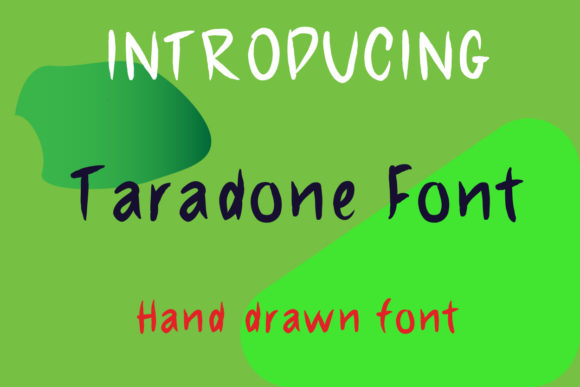
Choosing a typeface is rarely just about picking something that looks "nice." It is a strategic decision that influences readability, brand personality, and user engagement. When you are looking for a display font that brings energy to a project, Taradone often comes up as a compelling option. Described as cool, brushed, whimsical, and quirky, it offers a distinct visual voice that stands apart from standard sans-serifs or rigid serif fonts.
However, using a decorative font like Taradone requires more than just dragging it into your design software. There are common pitfalls regarding legibility, hierarchy, and context that can turn a bright, fun design into an unreadable mess. Understanding how to wield this tool effectively ensures that your projects remain professional while retaining that unique flair.
Understanding the Appeal of Brushed Display Fonts
Taradone falls into the category of display fonts with a hand-drawn or brush-stroke aesthetic. These fonts are designed to catch the eye immediately. They suggest movement, creativity, and a human touch—qualities that are increasingly valuable in a digital landscape saturated with sterile, corporate typography.
The "brushed" aspect implies texture and imperfection, which can make designs feel more authentic and approachable. For creators, marketers, and small business owners, this translates to a brand identity that feels less manufactured and more personal. Whether you are designing a logo for a coffee shop, a banner for a workshop, or a header for a blog post, Taradone adds a layer of character that standard fonts simply cannot replicate.
Yet, the very qualities that make it attractive also pose challenges. The whimsical nature means it demands respect. If used incorrectly, the quirkiness can become noise rather than signal.
Common Mistake: Overusing Decorative Text
One of the most frequent errors designers make with fonts like Taradone is overuse. Because the font is visually loud, it competes for attention. Using it for body text, long paragraphs, or even multiple headings on a single page creates visual fatigue. Readers may struggle to distinguish between important information and decorative elements, leading to poor comprehension.
Why this matters: In marketing and education, clarity is king. If a customer has to squint to read a price point because it is buried under a wave of whimsical script, they are likely to leave. Similarly, students or employees reading training materials cluttered with excessive decoration may find it harder to focus on the core message.
Better approach: Use Taradone sparingly as a display element. Reserve it for headlines, logos, short pull-quotes, or call-to-action buttons. Let it shine where it counts, and pair it with clean, neutral fonts for supporting text. This contrast ensures that the font’s personality enhances the design without overwhelming it.
Pairing Strategies for Maximum Impact
A major misunderstanding when adopting a quirky font is assuming it should stand alone. Typography is about harmony, not isolation. Taradone’s complex, brushed strokes need balance. Pairing it with another display font often results in chaos, as both compete for dominance. Instead, the goal is to let Taradone be the star while other elements play a supportive role.
The Solution: Combine Taradone with simple, geometric sans-serif fonts. Clean lines and minimal serifs provide a stable foundation that allows the whimsical nature of Taradone to pop. For example, use Taradone for a main title and a straightforward sans-serif like Helvetica, Arial, or Open Sans for subtitles and body copy. This combination maintains professionalism while injecting personality.
This strategy is particularly effective for freelancers and entrepreneurs who want to appear creative yet reliable. A balanced typographic hierarchy signals that you care about detail and user experience, which builds trust with your audience.
Context Matters: Where Taradone Fits Best
Not every project benefits from a brushed, whimsical font. Recognizing the right context is crucial for avoiding costly rework or ineffective communication.
- Ideal Uses: Event posters, product packaging for lifestyle brands, social media graphics, blog headers, and casual branding materials. In these contexts, the goal is often to evoke emotion or excitement, which Taradone delivers well.
- Poor Fits: Technical documentation, legal contracts, financial reports, or any interface requiring high-speed scanning of data. In these scenarios, readability and neutrality are prioritized over personality. Using Taradone here could undermine the perceived authority and precision of the content.
By aligning the font choice with the purpose of the communication, you ensure that your design supports your message rather than distracting from it.
Evaluating Licensing and Usage Rights
Before downloading or purchasing Taradone, it is essential to understand licensing terms. A common mistake among beginners is assuming that all fonts are free for commercial use. Many decorative fonts have strict restrictions regarding web embedding, print runs, or resale in digital products.
Checklist for Buyers:
- License Type: Determine if you need a personal, commercial, or extended license. Commercial licenses typically cover usage in marketing materials, websites, and products sold to customers.
- Platform Restrictions: Some licenses limit the number of users or the volume of impressions (e.g., website traffic caps). Ensure the license covers your specific scale of operation.
- Modification Rights: Check if you are allowed to alter the font, such as stretching or coloring it differently. While Taradone is versatile, some licenses prohibit significant modifications.
Neglecting these details can lead to legal issues or unexpected costs. Investing time in reviewing the license agreement protects your project and ensures you can use Taradone confidently across all your platforms.
Technical Considerations for Web and Print
When applying Taradone to digital projects, technical performance is often overlooked. Brushed fonts can sometimes render poorly at small sizes or on low-resolution screens. The intricate details of the brush strokes may blur or disappear, reducing the font’s impact.
Best Practices:
- Size Matters: Ensure Taradone is large enough to retain its texture. Avoid using it for footers or tiny captions.
- Contrast and Color: Test the font against various background colors. High contrast improves legibility, especially for the thinner parts of the brush strokes.
- Web Fonts: If using Taradone on a website, consider loading it efficiently to avoid slowing down page speed. Optimize file formats and use fallback fonts in case the custom font fails to load.
For print projects, verify the resolution requirements. A brushed font may require higher DPI settings to maintain crisp edges, especially if printed on textured paper where ink spread can soften the details.
Conclusion: Using Taradone Intentionally
Taradone is a powerful tool for adding warmth and uniqueness to your designs. Its cool, brushed aesthetic can brighten up projects and engage audiences who appreciate creativity. However, its effectiveness depends on intentional usage.
By avoiding overuse, pairing it with complementary fonts, selecting appropriate contexts, respecting licensing, and paying attention to technical details, you can harness the full potential of this whimsical typeface. The result is not just a pretty design, but a cohesive, professional communication that resonates with your audience. Take the time to experiment, test, and refine your choices, and you will find that Taradone becomes a reliable asset in your creative toolkit.