Maybach Font Evaluation
In the landscape of digital typography, selecting the right typeface is often a balance between aesthetic impact and functional clarity. For designers working within the realms of street culture, sports branding, and urban fashion, the visual language must be immediate, bold, and unapologetic. This is where Maybach enters the conversation. As a dramatic, graffiti-styled display font, Maybach offers a distinct visual identity that captures the raw energy of street art. However, like any specialized tool in a designer’s arsenal, it comes with specific use cases, limitations, and considerations.
This evaluation explores the characteristics of Maybach, examining why it appeals to certain audiences, how it performs in practical applications, and whether it aligns with your specific design goals. By understanding its strengths and tradeoffs, you can make an informed decision about incorporating this font into your next project.
Understanding the Aesthetic: What Is Maybach?
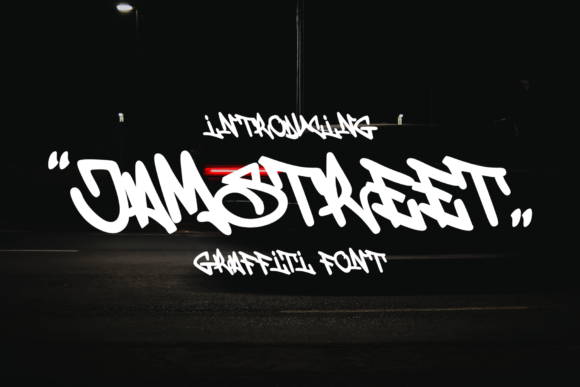
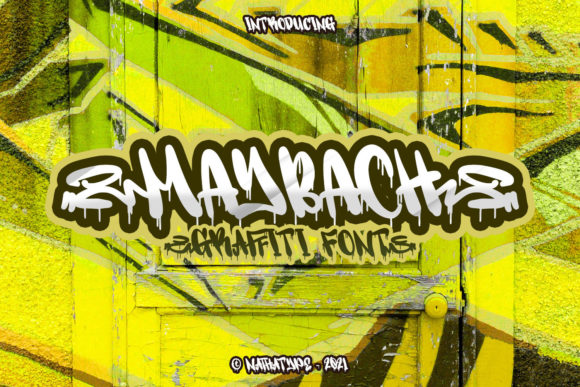
At its core, Maybach is not designed for body text or long-form reading. It is a display font, meaning its primary purpose is to grab attention at large sizes. The typeface draws heavily from the visual vocabulary of graffiti and street art. It features irregular strokes, sharp angles, and a sense of motion that mimics the look of spray paint on concrete or marker on a skateboard deck.
The "dramatic" nature of the font is evident in its high contrast and aggressive styling. Unlike clean, geometric sans-serifs that prioritize neutrality, Maybach demands to be seen. It evokes a sense of rebellion, youth culture, and urban authenticity. When you see Maybach, you immediately associate it with environments that are loud, energetic, and visually stimulating.
Key Visual Characteristics
- Street Art Vibe: The letterforms mimic hand-drawn graffiti tags, offering an organic yet structured feel.
- Dramatic Weight: The heavy stroke weights ensure visibility even from a distance, making it ideal for posters and signage.
- Irregular Edges: The edges are not perfectly smooth, adding texture and character that simulates real-world application.
- High Impact: The font is designed to create an immediate emotional response rather than facilitate easy reading.
Why Designers Choose Maybach
When evaluating typefaces, it is helpful to understand the problem they solve. Designers typically turn to Maybach when they need to convey a specific mood quickly. If a brand wants to signal that it is part of the skate, surf, or hip-hop culture, Maybach provides a shorthand for that identity without needing additional imagery.
Applications in Sportswear and Jerseys
One of the most common uses for fonts like Maybach is in athletic apparel. Sports jerseys require typography that is legible from a distance but also stylized enough to look professional and branded. Maybach’s bold, blocky structures work well for team names, player numbers, and sponsor logos on uniforms. The graffiti influence adds a modern, edgy twist that appeals to younger demographics who view sportswear as a fashion statement rather than just functional gear.
Suitability for Skateboard Graphics
Skateboarding culture has a deep-rooted connection to DIY aesthetics and independent graphics. Skate decks often feature custom illustrations and typography that reflect the rider’s personality or the brand’s ethos. Maybach fits seamlessly into this context. Its rough, unpolished edges complement the gritty reality of skate parks and urban landscapes. When used on a skateboard deck, the font doesn’t just label the product; it becomes part of the artwork itself.
Benefits and Tradeoffs
No typeface is perfect for every situation. Understanding the tradeoffs of using Maybach is crucial for avoiding design pitfalls.
The Benefits
- Immediate Recognition: In a crowded marketplace, Maybach stands out. Its unique style ensures that designs are memorable.
- Cultural Relevance: It taps into established visual trends associated with youth and street culture, helping brands stay relevant.
- Versatility Within Niche: While niche, it works across various mediums, from digital banners to physical prints on fabric and wood.
The Tradeoffs
The primary limitation of Maybach is readability. Because of its decorative nature, it is difficult to read at small sizes. Using Maybach for paragraphs of text will frustrate users and reduce engagement. Additionally, because the style is so specific, it may not suit brands that aim for elegance, minimalism, or corporate professionalism. Overusing such a strong font can also lead to visual fatigue, making the design feel cluttered or chaotic if not balanced with simpler elements.
Decision-Making Insights: When to Use (and When Not To)
To determine if Maybach is the right choice for your project, consider the following scenarios.
Strong Fit Scenarios
- Headlines and Logos: Use Maybach for short bursts of text. It excels as a headline font or a logo mark where brevity and impact are key.
- Event Posters: For music festivals, skate competitions, or street art exhibitions, the font’s energy matches the event’s vibe.
- Merchandise Labels: Tags, hangtags, and packaging for streetwear brands benefit from the font’s authentic aesthetic.
Alternatives to Consider
If your project requires a different tone, other options may be more appropriate:
- For Clean Modernism: If you want a contemporary look without the grit, consider a geometric sans-serif like Helvetica Now or Futura. These fonts offer clarity and versatility.
- For Elegant Branding: For luxury or formal contexts, a serif font like Garamond or Baskerville would provide the necessary sophistication.
- For Readable Body Text: Always pair display fonts like Maybach with a highly readable sans-serif or serif for supporting text. Do not attempt to use Maybach for descriptions or instructions.
Practical Implementation Tips
When integrating Maybach into your designs, keep these practical tips in mind to maximize effectiveness:
Balance is Key: Since Maybach is visually loud, pair it with plenty of negative space. Let the font breathe. Cluttering the design around a complex typeface can diminish its impact.
Color Contrast: Graffiti styles often rely on high-contrast colors to pop against backgrounds. Ensure your color palette complements the font’s energy. Bright, saturated colors often work best, but monochromatic schemes can also create a sleek, modern street look.
Contextual Awareness: Be mindful of cultural appropriation. Street art and graffiti have deep roots in marginalized communities. Using this font respectfully means acknowledging its origins and ensuring your design adds value rather than just borrowing an aesthetic.
Conclusion
Maybach is a powerful tool for designers operating in the intersection of art, sport, and street culture. Its dramatic, graffiti-inspired style offers a unique way to communicate energy and authenticity. However, its strength is also its limitation; it is not a general-purpose font. By understanding its specific applications—such as jersey design, skateboard graphics, and bold headlines—you can leverage its potential effectively.
For those seeking to add a touch of urban edge to their projects, Maybach is a compelling option. Just remember to use it strategically, balancing its intensity with clear layout principles and complementary typography. Whether you are designing a new sportswear line or promoting a local event, Maybach can help your message stand out in a noisy visual landscape.