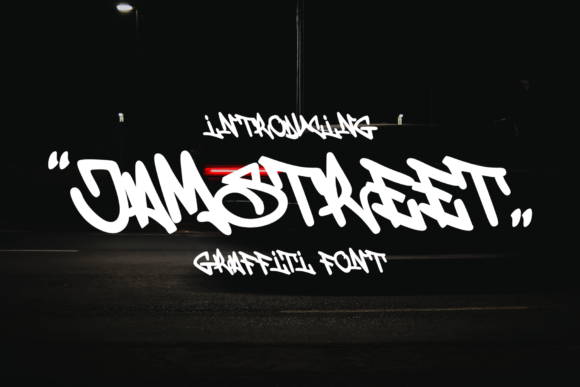
Jamstreet Font Evaluation
In the landscape of digital typography, finding a typeface that balances raw energy with legible structure is often a challenge. Designers frequently seek fonts that convey attitude without sacrificing readability, particularly in projects that require immediate visual impact. Jamstreet emerges as a specific solution within this niche, categorized as a dramatic, bold graffiti-styled display font. This evaluation explores the characteristics of Jamstreet, its intended applications, and the practical considerations designers should weigh when deciding whether to incorporate it into their workflow.
Understanding the Jamstreet Typeface
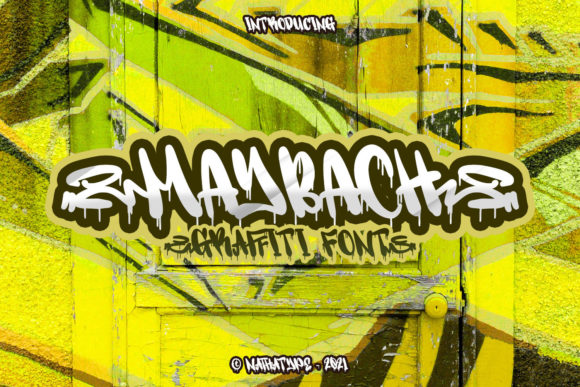
Jamstreet is defined by its aggressive aesthetic and urban inspiration. As a display font, it is not designed for body text or extended reading passages. Instead, it serves as a headline tool, meant to grab attention within the first few seconds of viewing. The style draws heavily from street art culture, utilizing thick strokes, sharp angles, and irregular edges that mimic the look of spray paint on concrete or brick. Despite its chaotic appearance, the underlying structure remains coherent enough to ensure that letters are distinguishable, which is a critical factor in effective graphic design.
The "dramatic" nature of Jamstreet means it carries inherent emotional weight. It suggests rebellion, creativity, and high energy. For brands or individuals looking to project these traits, the font offers an instant visual shorthand. However, because it is a display font, its utility is limited by context. It performs best when used sparingly and paired with neutral, simple typefaces that allow it to stand out without competing for dominance.
Target Applications and Use Cases
One of the primary strengths of Jamstreet lies in its versatility across various creative mediums. While its graffiti roots suggest a connection to youth culture or music, its application extends further. The original look appeals to a wide range of crafty ideas, making it suitable for both digital and physical design projects.
- Stationery and Invitations: For events that aim to break traditional norms, such as music festivals, streetwear launches, or avant-garde parties, Jamstreet can set the tone immediately. It works well on invitations where the goal is to create excitement rather than formality.
- Letterheads and Branding: Small businesses in creative industries, such as tattoo parlors, skate shops, or independent artists, may find value in using Jamstreet for letterheads. It adds a personalized, hand-crafted feel that standard corporate fonts lack.
- Titles and Posters: The bold weight of the font ensures visibility even from a distance. This makes it an excellent choice for poster designs, social media banners, and video thumbnails where text must compete with imagery.
When considering these applications, it is important to recognize that Jamstreet is not a one-size-fits-all solution. Its effectiveness depends entirely on the surrounding design elements. A clean background will enhance its impact, while a busy texture may render it illegible.
Benefits of Choosing Jamstreet
Selecting Jamstreet offers several distinct advantages for designers seeking a specific aesthetic direction. First, it provides immediate character. Unlike generic sans-serif fonts that can feel sterile, Jamstreet injects personality into a design without requiring additional graphical embellishments. This efficiency is valuable in fast-paced design environments where time is a constraint.
Second, the font’s boldness ensures accessibility in terms of visibility. In an era of small screens and rapid scrolling, large, distinctive headlines are crucial for capturing user attention. Jamstreet’s heavy weight and unique shapes help text stand out against white space or light backgrounds, improving click-through rates in digital advertising contexts.
Finally, the font bridges the gap between professional design and amateur creativity. It allows non-professional designers to achieve a polished, urban look that might otherwise require complex vector manipulation. This democratization of style makes it accessible to hobbyists and small business owners who lack advanced typographic skills.
Tradeoffs and Limitations
While Jamstreet has clear strengths, it also presents significant limitations that must be acknowledged. The most notable tradeoff is legibility at smaller sizes. Due to its complex internal structures and varying stroke widths, Jamstreet becomes difficult to read when scaled down. Attempting to use it for paragraphs or subheadings will result in visual clutter and reader fatigue. Therefore, it should be reserved strictly for short phrases, titles, or single words.
Another consideration is the potential for dated aesthetics. Graffiti styles can sometimes appear trendy rather than timeless. Projects that aim for longevity may find that Jamstreet feels too specific to current cultural moments. Additionally, the font’s aggressive nature may not align with brands that prioritize calmness, trust, or elegance. Using Jamstreet for a financial institution or a healthcare provider would likely create a dissonant brand identity.
Decision-Making Insights
To determine if Jamstreet aligns with your goals, consider the following questions during the selection process. Does your project require a loud, energetic voice? If yes, Jamstreet is a strong candidate. Is the text primarily used for headlines or decorative purposes? If so, the font’s display nature is appropriate. Are you pairing it with simple, unobtrusive body text? This combination maximizes contrast and readability.
Conversely, if your project demands subtlety, neutrality, or extensive textual content, alternatives may be worth considering. Clean geometric sans-serifs or humanist typefaces might better serve projects focused on clarity and professionalism. It is also prudent to test Jamstreet in black and white before adding color, ensuring that the shape and spacing hold up without the distraction of vibrant hues.
Conclusion
Jamstreet is a specialized tool in the designer’s arsenal, offering a bold, graffiti-inspired aesthetic that commands attention. Its strength lies in its ability to convey energy and creativity through simple, impactful headlines. By understanding its limitations regarding legibility and tone, designers can use Jamstreet effectively to enhance stationery, titles, and promotional materials. When applied with restraint and strategic pairing, it becomes a powerful asset for projects seeking to make a memorable visual statement.