Integrating Sajola Display Font into Professional Design Workflows
In the landscape of digital design, typography is rarely just an aesthetic choice; it is a functional component of communication. For professionals, creators, and entrepreneurs, selecting the right typeface is often one of the first critical decisions in a project lifecycle. It sets the tone, establishes hierarchy, and influences readability before a single word is processed by the viewer. Among the growing library of display fonts, Sajola has emerged as a distinct asset for those seeking a balance between technological precision and modern coolness. This article explores how to effectively integrate Sajola into various workflows, from initial concept development to final production, ensuring that its techno-inspired character enhances rather than hinders your creative output.
Understanding the Role of Display Fonts in Modern Design
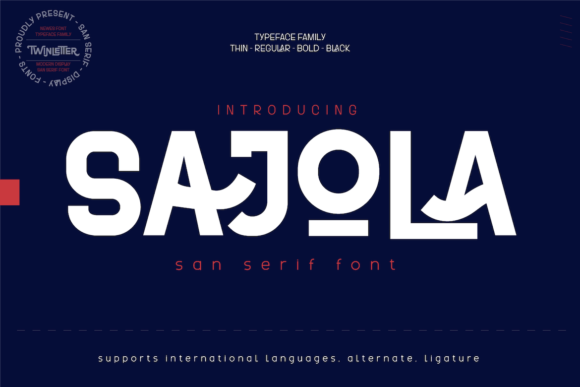
Before diving into specific implementation strategies, it is essential to understand where display fonts fit within the broader scope of typographic systems. Unlike body text fonts, which prioritize legibility at small sizes and long reading durations, display fonts are designed to be seen. They carry weight, personality, and visual impact. Sajola, with its neat and techno-looking structure, falls squarely into this category. Its geometric precision and clean lines make it ideal for headlines, logos, UI headers, and marketing materials where immediate visual engagement is required.
The challenge for designers and developers lies in balancing this visual impact with usability. A font like Sajola can elevate any creation, but only if it is deployed with intention. Misuse—such as setting large blocks of paragraph text in a display face—can lead to cognitive fatigue and poor user experience. Therefore, the integration of Sajola must be strategic, reserved for moments where its unique character adds value to the message being conveyed.
Pre-Production: Planning and Asset Selection
Effective workflow management begins long before the design software is opened. During the planning phase, understanding the technical specifications of your chosen assets is crucial. Sajola is not merely a visual style; it is a file format that requires proper licensing, installation, and version control. Professionals should ensure they have access to the full family of weights and styles available in the Sajola library. A robust font family allows for greater flexibility in creating contrast and hierarchy within a design system.
When integrating Sajola into a team environment, consistency is key. Establish a shared resource library or a cloud-based font management system. This ensures that every team member—from graphic designers to web developers—is using the exact same version of the font. Discrepancies in font rendering across different operating systems or devices can lead to costly revisions later in the process. By standardizing on Sajola early, you prevent these compatibility issues and streamline the handoff between design and development phases.
Implementation in Creative Projects
Once the planning phase is complete, the focus shifts to execution. How does Sajola interact with other elements in a composition? Its techno aesthetic suggests a connection to themes of innovation, future-tech, data, and minimalism. When incorporating Sajola into a project, consider the surrounding visual language. Does the imagery support the sharp, clean lines of the font? Do the color palettes complement its modern feel?
For marketers and content creators, Sajola offers a powerful tool for capturing attention in crowded digital spaces. Social media graphics, email headers, and landing page banners benefit from the immediate clarity and "cool" factor that Sajola provides. However, the effectiveness of this integration depends on context. Pairing Sajola with soft, organic imagery might create a jarring dissonance unless done intentionally for artistic effect. Conversely, pairing it with sleek product photography, abstract tech visuals, or monochromatic backgrounds can reinforce the message of sophistication and precision.
- Brand Identity: Use Sajola for primary logotypes or brand marks where a strong, memorable impression is needed. Its distinctive shape aids in brand recognition.
- Digital Interfaces: In UI/UX design, use Sajola for navigation menus, button labels, or section headers. Its neat structure ensures that users can quickly scan and understand the interface layout.
- Print Media: For brochures, posters, or business cards, leverage Sajola’s techno look to convey authority and modernity. Ensure high-resolution printing to maintain the crisp edges of the letterforms.
Technical Considerations and Compatibility
A common pitfall in modern workflows is neglecting the technical constraints of web implementation. While Sajola looks stunning in static designs, its performance on the web requires careful handling. If you are using Sajola in a digital product, consider converting it to web formats such as WOFF2. These formats offer better compression and faster loading times without sacrificing quality. Additionally, always provide fallback fonts in your CSS. If Sajola fails to load due to network issues or browser restrictions, the design should degrade gracefully to a similar sans-serif font, preserving the layout’s integrity.
Furthermore, accessibility cannot be overlooked. While display fonts are visually striking, they must remain readable. Test Sajola at various sizes and against different background colors. Ensure sufficient contrast ratios to comply with Web Content Accessibility Guidelines (WCAG). A font may be "cool," but if it is inaccessible to users with visual impairments, it fails its primary function as a communication tool. Regular audits of your typography choices help maintain both aesthetic appeal and inclusive design standards.
Long-Term Workflow Integration
Integrating a new font into your toolkit is not a one-time event but an ongoing process. As projects evolve, so too do the demands placed on your design assets. Maintaining a well-organized library of fonts, including Sajola, supports efficiency and creativity. Over time, you will develop a set of best practices for when and how to use Sajola. Document these insights. Create templates or style guides that define the appropriate contexts for using Sajola versus other typefaces in your library.
This documentation becomes invaluable for scaling operations. Whether you are a solo freelancer taking on larger clients or a small business expanding its marketing efforts, having predefined rules for typography reduces decision fatigue. It allows you to focus on strategy and content rather than re-evaluating basic design choices for every new project. Consistency builds trust with your audience. When users encounter Sajola repeatedly in contexts where it performs well, it reinforces your brand’s identity as professional, modern, and detail-oriented.
Evaluating Impact and Iteration
To truly master the use of Sajola, incorporate feedback loops into your workflow. Analyze the performance of designs that utilize this font. Are click-through rates higher on emails with Sajola headers? Is user engagement improved on landing pages that feature its distinctive typography? Data-driven insights allow you to refine your approach over time. Perhaps you discover that Sajola performs best in bold weights for short headlines, while lighter weights work well for secondary information. These nuances contribute to a more sophisticated and effective design strategy.
Moreover, stay attuned to evolving design trends. The techno aesthetic is timeless yet adaptable. As technology advances, new mediums such as augmented reality (AR) and virtual reality (VR) present fresh opportunities for display typography. Sajola’s clean, structured forms may translate exceptionally well into 3D environments or interactive interfaces. Being proactive about exploring these new applications keeps your skills relevant and your work innovative.
Conclusion on Practical Application
Sajola is more than just a font; it is a versatile tool that, when used correctly, can significantly enhance the quality and impact of your creative work. By approaching its integration with a focus on planning, technical compatibility, and consistent application, you can maximize its potential. Remember that the goal of any design element is to serve the message. Sajola’s cool, neat, and techno appearance makes it an excellent candidate for projects that require a sense of modernity and precision. Through thoughtful implementation and continuous evaluation, you can ensure that this font remains a valuable asset in your professional repertoire, elevating your creations and supporting your broader business or creative goals.