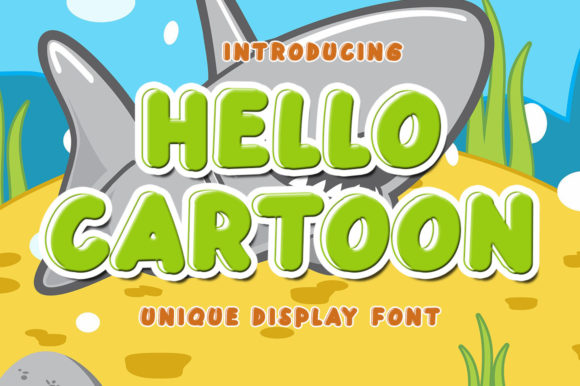
Hello Cartoon
When you are designing materials for a younger audience, the typography you choose does more than just convey text; it sets the emotional tone of the entire project. Hello Cartoon is a display font that immediately signals playfulness, energy, and approachability. With its bubbly shapes and informal structure, it captures attention in a way that traditional serif or sans-serif fonts simply cannot. However, while the aesthetic appeal of Hello Cartoon is undeniable, using it effectively requires a strategic approach. Many designers and business owners make the mistake of treating every playful font as a universal solution, leading to designs that look cluttered, unprofessional, or difficult to read.
This guide explores how to leverage the unique characteristics of Hello Cartoon without falling into common design traps. Whether you are creating marketing materials for a children’s party, branding for an educational app, or social media graphics for a family-oriented brand, understanding the nuances of this typeface will help you achieve better results.
Understanding the Visual Personality of Hello Cartoon
Hello Cartoon is characterized by its rounded edges, uneven baseline, and exaggerated proportions. These features mimic the hand-drawn style often seen in comic books or doodles, which naturally evokes feelings of nostalgia and fun. This makes it an excellent choice for projects where warmth and friendliness are paramount. For instance, a bakery selling custom cakes for birthdays might use Hello Cartoon for their logo to suggest creativity and joy. Similarly, an educator creating worksheets for early readers might find that the distinct letterforms help young learners distinguish between characters.
However, the very traits that make Hello Cartoon charming can also be its weaknesses if used incorrectly. The "bubbly" nature means that the letters take up more visual space than standard fonts. If you are working with limited real estate, such as a small mobile banner or a dense newsletter footer, Hello Cartoon can quickly become overwhelming. It demands attention, and if there is too much of it, the design loses hierarchy and focus.
The Trap of Overuse
One of the most frequent errors when adopting Hello Cartoon is overusing it across all elements of a design. A common misconception is that because the font is fun, it should be used for headlines, subheads, body text, and buttons alike. This creates a chaotic visual experience that strains the reader’s eyes and dilutes the impact of the message. When everything is emphasized, nothing is emphasized.
To avoid this, reserve Hello Cartoon for primary headlines or short, impactful phrases. Let it shine as the star of the show, but support it with more neutral, readable fonts for longer passages. This contrast not only improves readability but also allows the playful font to stand out as a deliberate stylistic choice rather than a default setting.
Pairing Strategies for Balanced Design
Successful typography relies on harmony between different typefaces. Because Hello Cartoon has such a strong personality, it needs a partner that can ground the design without competing for attention. Beginners often pair playful fonts with other decorative or script fonts, resulting in a clash that feels messy and unpolished. Instead, opt for clean, simple sans-serif or geometric fonts that provide a stable foundation.
- Simple Sans-Serifs: Fonts like Helvetica, Arial, or Open Sans work well because they are neutral. They allow the Hello Cartoon headline to pop while ensuring that any accompanying information is easy to scan.
- Geometric Shapes: Since Hello Cartoon often features circular forms, pairing it with a geometric sans-serif can create a cohesive visual language. The clean lines of the secondary font balance the organic curves of the main title.
Consider a scenario where you are designing a flyer for a summer camp. Using Hello Cartoon for the word "SUMMER" draws the eye, but using a straightforward sans-serif for the dates, location, and registration details ensures that parents can quickly find the essential information. This combination respects both the emotional appeal of the event and the practical need for clarity.
Color and Context: Enhancing the Message
The prompt mentions that Hello Cartoon is especially effective when combined with bright colors. This is true, but it requires careful consideration of color theory. Bright colors can amplify the energy of the font, but they can also reduce legibility if the contrast is insufficient. A light yellow Hello Cartoon text on a white background may look cheerful but will be nearly invisible to many users.
Ensure that your color choices maintain high contrast ratios. Darker shades of blue, red, or green against lighter backgrounds tend to work best. Additionally, consider the context of your audience. While bright colors are appropriate for children’s products, they may feel inappropriate or jarring in contexts requiring a degree of seriousness, even within a family-oriented brand. For example, a financial planning service for families might use Hello Cartoon sparingly for section headers but would likely avoid bright neon colors in favor of softer pastels to maintain trustworthiness.
Evaluating Licensing and Usage Rights
Before downloading or purchasing Hello Cartoon, it is crucial to understand the licensing terms. Many free fonts come with restrictions that surprise casual users. Some licenses may prohibit commercial use, require attribution, or limit the number of impressions. Ignoring these details can lead to legal issues and unexpected costs down the line.
Always verify whether the font is intended for personal use only or if it includes a commercial license. If you are a freelancer or a small business owner creating assets for clients, ensure that the license covers the specific use case, such as web embedding, print runs, or merchandise production. Investing in a proper license protects your brand and ensures that you are respecting the creator’s intellectual property.
Testing for Readability and Accessibility
Aesthetic appeal should never come at the expense of accessibility. Hello Cartoon’s irregular shapes can sometimes challenge readers with dyslexia or visual impairments. To mitigate this, test your designs at various sizes and distances. What looks clear on a large desktop monitor might become illegible on a smartphone screen.
Incorporate ample white space around the text. Crowding Hello Cartoon with other elements reduces its impact and makes it harder to process. By giving the font room to breathe, you enhance both its visual appeal and its functional utility. Additionally, consider providing alternative text or simpler headings for digital content to ensure inclusivity.
Conclusion
Hello Cartoon is a powerful tool for adding personality and warmth to your designs. By avoiding common pitfalls such as overuse, poor pairing, and ignoring licensing, you can harness its full potential. Remember that good design is about balance. Use Hello Cartoon strategically to highlight key messages, pair it with complementary fonts for stability, and always prioritize clarity and accessibility. When applied thoughtfully, this bubbly font can transform ordinary designs into engaging experiences that resonate with audiences of all ages.