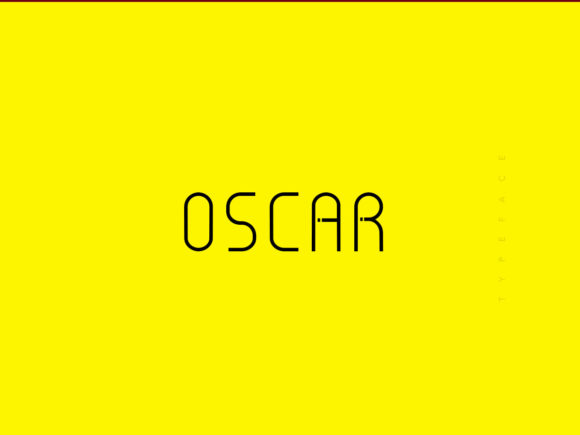
Oscar: The Minimal Display Font That Elevates Your Creative Projects
In the fast-paced world of digital design and branding, visual clarity is not just an aesthetic choice; it is a functional necessity. Designers and marketers are constantly searching for typefaces that can cut through the noise without demanding excessive attention. Enter Oscar, a cool and minimal display font designed to bridge the gap between modern sophistication and effortless readability. If you are looking to add a touch of refined elegance to your next project, understanding how to leverage this versatile typeface can significantly enhance your creative output.
Understanding the Core Identity of Oscar
At its heart, Oscar is defined by its minimalism. In typography, "minimal" does not mean empty or lacking character; rather, it refers to a deliberate reduction of visual clutter to highlight essential forms. This font features clean lines, balanced proportions, and a neutral yet confident presence. It avoids the ornate flourishes of serif fonts or the rigid geometric structures of some modern sans-serifs, opting instead for a humanist approach that feels both contemporary and timeless.
This design philosophy makes Oscar incredibly adaptable. It possesses a unique ability to blend seamlessly into various design ecosystems while still maintaining its distinct identity. Whether used as a primary headline or a supporting element in a layout, it provides a solid foundation upon which other design elements can shine. Its "cool" factor comes from its understated confidence—it lets the content speak without shouting over it.
Addressing Common Design Challenges
Many creatives face specific challenges when selecting a display font. One of the most common issues is finding a typeface that works across multiple mediums. A font might look stunning on a website header but fail miserably on printed business cards or social media graphics. Another frequent struggle is balancing uniqueness with legibility. Highly stylized fonts often sacrifice readability for style, leading to user frustration, while overly generic fonts fail to capture brand personality.
Oscar addresses these pain points directly. Its versatile weight range and consistent stroke widths ensure that it remains readable at various sizes and resolutions. This scalability is crucial for brands that need to maintain consistency across digital ads, packaging, and environmental signage. Furthermore, because Oscar is minimal, it reduces cognitive load for the viewer. When a user encounters a clean, uncluttered font, they process information faster, leading to better engagement and retention rates.
Practical Applications and Outcomes
The true value of Oscar lies in its practical application. Because it can easily be matched to an incredibly large set of projects, it serves as a reliable tool in any designer’s toolkit. Here is how different professionals can utilize this font to achieve specific outcomes:
- Branding and Logo Design: For startups and established brands alike, a logo needs to be memorable yet simple. Using Oscar for logotypes creates a sense of modern authority. Its minimal nature ensures that the logo scales well from favicon size to billboard dimensions without losing integrity.
- Editorial and Publishing: Magazines and online publications often struggle with hierarchy. Oscar excels as a display font for article headers and pull quotes. Its clean aesthetics allow the body text to remain the focal point while providing enough visual contrast to guide the reader’s eye through the content structure.
- E-commerce and UI Design: In user interface design, clarity is paramount. Product titles, pricing, and call-to-action buttons benefit from the crisp appearance of Oscar. It conveys trust and professionalism, which are key psychological triggers in conversion optimization.
- Social Media Content: Visual platforms like Instagram and Pinterest are highly competitive. Posts featuring Oscar stand out due to their sophisticated minimalism. It pairs exceptionally well with high-quality photography, allowing the image to take center stage while the typography adds a layer of editorial polish.
Strategic Implementation Tips
To get the most out of Oscar, it is important to approach its implementation with strategic intent. Here are several recommendations for integrating this font effectively into your workflow:
- Pairing Strategies: While Oscar is strong on its own, it shines when paired with complementary typefaces. Consider combining it with a more traditional serif for body text to create a classic-modern contrast. Alternatively, pair it with a geometric sans-serif for a purely contemporary tech-focused look.
- Whitespace Utilization: Minimal fonts require minimal layouts. Do not overcrowd designs containing Oscar. Allow ample whitespace around headlines to let the characters breathe. This negative space enhances the "cool" factor and directs focus precisely where you want it.
- Color and Contrast: Since the font itself is neutral, use color strategically to inject energy. Bold colors against a white background with Oscar typography can create striking visual impact. Conversely, monochromatic schemes using dark gray text on off-white backgrounds can evoke a sense of luxury and calm.
- Contextual Awareness: Always consider the context of your audience. For a youthful, energetic brand, Oscar might feel too reserved unless styled dynamically with skewed angles or bold weights. For a law firm or healthcare provider, however, its stability and clarity are perfect assets.
Customizing for Different User Needs
Different users may approach the use of Oscar differently based on their specific goals. A graphic designer focused on print collateral might prioritize the font’s kerning and spacing nuances to ensure perfect alignment on physical materials. They might experiment with tracking (letter-spacing) to create a premium, airy feel typical of luxury fashion brands.
On the other hand, a web developer or UX designer might focus on the technical performance and rendering of the font. They would ensure that Oscar loads quickly and displays correctly across different browsers and devices. For these users, the "coolness" of the font translates into improved user experience metrics, such as lower bounce rates and longer session durations due to easier readability.
Even non-designers can benefit from using Oscar. Small business owners creating their own marketing materials via tools like Canva or Adobe Express can select Oscar to instantly elevate the perceived quality of their work. It acts as a shortcut to professional-looking designs, requiring less effort to achieve a polished result compared to more complex or decorative fonts.
Final Thoughts on Creative Integration
Ultimately, Oscar is more than just a collection of glyphs; it is a solution for designers seeking balance between form and function. By adding it to your creative ideas, you are choosing a typeface that respects the viewer’s time and intelligence. It makes projects stand out not by being loud, but by being clear, confident, and impeccably crafted.
As you explore new projects, notice how Oscar influences the overall tone. Does it make your message feel more authoritative? More approachable? More modern? The answers will vary depending on your execution, but the foundation remains strong. Embrace the minimalism, respect the whitespace, and let the clean lines of Oscar guide your audience to your core message with ease.