Mastering Visual Hierarchy: Why Masterton is the Geometric Choice for Modern Design
In the rapidly evolving landscape of digital and print media, the distinction between a good design and a great one often lies in the subtle interplay of typography. While content remains king, the vessel that carries it—the typeface—dictates how that content is perceived, read, and remembered. Among the myriad of options available to designers, Masterton has emerged as a distinctive solution for those seeking a balance between structural integrity and artistic flair. This font is not merely a collection of characters; it is a tool for communication that leverages bold geometry to capture attention immediately.
Understanding the nuances of display fonts requires looking beyond simple legibility. We must consider the emotional resonance, the visual weight, and the contextual appropriateness of each glyph. Masterton fits into this category by offering a unique touch that stands out in crowded marketplaces. Whether you are crafting a high-end business card, designing a responsive web interface, or producing a physical brochure, the choice of typography sets the tone before a single word is fully processed by the brain. This article explores the characteristics, applications, and strategic advantages of using Masterton in various professional contexts.
The Anatomy of a Bold Display Font
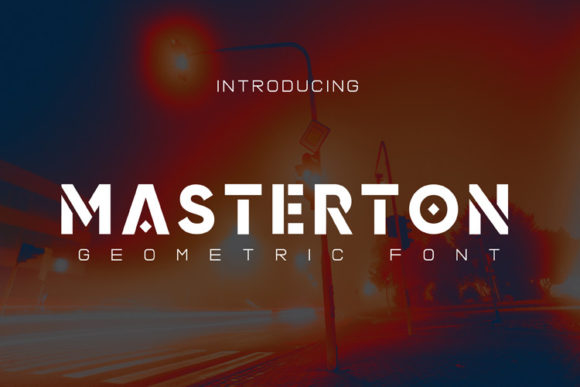
To appreciate Masterton, one must first understand the architectural principles behind geometric display typefaces. Unlike serif fonts, which rely on small decorative strokes (serifs) to guide the eye along lines of text, geometric fonts are constructed from basic shapes: circles, squares, and straight lines. This construction method creates a sense of order, precision, and modernity.
Masterton takes this concept further by emphasizing its bold nature. The thick stroke weights create a strong visual presence, allowing the text to act as an image in itself. This is particularly useful in hero sections of websites or large-format posters where readability at a distance is paramount. The geometric shaping ensures that even at smaller sizes, the font retains its character, though it is primarily intended for display purposes rather than body copy.
- Structural Precision: The angles and curves are mathematically consistent, providing a clean and professional aesthetic.
- High Contrast Potential: When paired with lighter, more delicate sans-serif fonts, Masterton’s boldness creates a striking contrast that guides the reader’s focus.
- Modern Appeal: The lack of ornate details gives it a contemporary feel that aligns well with tech, fashion, and lifestyle brands.
Strategic Applications in Digital Design
Digital interfaces demand efficiency and clarity, but they also crave personality. A monotonous website can fail to engage users, leading to higher bounce rates and lower conversion. Here, Masterton serves as a powerful asset for breaking up visual monotony without sacrificing usability.
Web Headers and Hero Sections
The most common use case for a font like Masterton is in the headline area of a webpage. Web designers often struggle to find headlines that are both readable and impactful. Masterton’s bold, geometric shape allows it to command attention in hero banners. When used for a main title, it establishes authority and confidence. For example, a technology startup might use Masterton for their tagline to convey innovation and stability simultaneously.
Furthermore, the font’s distinct shape aids in brand recognition. In an era where users scroll quickly through feeds, a unique typographic style can serve as a visual anchor. If a user sees a masthead in Masterton, they instantly recognize the brand identity associated with that specific geometric language.
User Interface Accents
Beyond headlines, Masterton can be utilized for UI accents such as buttons, labels, and navigation headers. However, caution is advised. Because the font is heavy, it should not be used for long strings of text within an interface. Instead, it works best for short, punchy calls-to-action (CTAs). A button labeled "GET STARTED" in Masterton will feel significantly more urgent and inviting than one in a standard Arial or Helvetica.
Physical Media and Brand Identity
While digital presence is crucial, tangible materials remain a cornerstone of professional networking and brand building. Business cards, letterheads, and packaging offer a tactile experience that screens cannot replicate. Typography plays a pivotal role in this tactile interaction.
The Power of Business Cards
A business card is often the first physical object a potential client holds. It needs to make a lasting impression in seconds. Using Masterton on a business card allows for creative layouts that stand out in a stack of generic cards. Designers can experiment with negative space, placing the name in large, bold Masterton letters while keeping contact details minimal and understated. This approach demonstrates a level of sophistication and attention to detail that resonates with professionals in creative industries, architecture, and design.
Moreover, the geometric nature of the font pairs exceptionally well with minimalist design trends. Clean lines and ample white space allow the bold letters to breathe, creating a sense of luxury and exclusivity.
Packaging and Retail Displays
In retail environments, products compete for shelf space against dozens of competitors. Packaging design relies heavily on typography to communicate value proposition instantly. Masterton’s boldness makes it ideal for product names and key features on packaging. Its geometric shapes are easily recognizable from a distance, aiding in quick identification. For brands aiming for a modern, artisanal, or tech-forward image, this font provides the necessary visual weight to cut through visual clutter.
Considerations for Effective Implementation
While Masterton offers numerous advantages, its effective use requires a nuanced understanding of typographic hierarchy and context. Misuse can lead to visual fatigue or a perception of aggression rather than strength. To ensure optimal results, designers and business owners should adhere to several best practices.
- Limited Usage: Reserve Masterton for headlines, titles, and short phrases. Avoid using it for paragraphs or body text, as the heavy weight can cause eye strain during prolonged reading.
- Pairing Strategy: Balance the boldness of Masterton with lighter, neutral fonts for supporting text. A clean sans-serif or a classic serif can provide the necessary contrast to make the Masterton elements pop without overwhelming the viewer.
- Kerning and Spacing: Due to its geometric structure, kerning (the spacing between individual characters) is critical. Tight kerning can cause the bold shapes to merge, reducing legibility. Generous tracking (letter-spacing) can enhance the modern, airy feel of the font.
- Contextual Relevance: Ensure the font aligns with your brand voice. Masterton is bold and direct; it may not be suitable for brands aiming for a soft, traditional, or whimsical image.
The Role of Typography in User Experience
Typography is not just about aesthetics; it is a functional component of user experience (UX). Good typography guides the user’s journey through content, highlighting important information and creating a logical flow. Masterton contributes to UX by establishing clear visual anchors. When a user scans a page, their eyes are drawn to the boldest elements. By using Masterton strategically, designers can control this scanning pattern, ensuring that key messages are seen first.
For educators and researchers, this means that presentation slides and academic posters can benefit from Masterton in titles and section headers. It helps organize complex information into digestible chunks, making dense material more accessible to students and peers. Similarly, hobbyists and creators can use this font in project documentation or portfolio websites to showcase their work with a professional polish.
Future Trends in Display Typography
As design trends continue to evolve, there is a growing preference for typefaces that offer character without sacrificing functionality. The trend toward neo-grotesque and expanded geometric fonts suggests that Masterton is well-positioned for continued relevance. Brands are moving away from overly decorative scripts and towards typefaces that convey stability and innovation.
Additionally, the rise of variable fonts—a technology that allows for smooth transitions between different weights and widths—may see geometric fonts like Masterton adapted for dynamic web experiences. Imagine a headline that subtly shifts its width or weight in response to user interaction, adding a layer of interactivity that engages visitors on a deeper level.
Conclusion
Selecting the right typeface is a decision that impacts every aspect of your communication strategy. Masterton offers a compelling solution for those who need to make a bold, geometric statement. Its versatility across digital and physical mediums, combined with its strong visual identity, makes it an invaluable tool for professionals, creators, and businesses alike. By understanding its strengths and adhering to best practices in implementation, you can leverage Masterton to enhance your brand’s visibility, credibility, and appeal. In a world saturated with visual noise, choosing a font that speaks with clarity and confidence is not just a design choice—it is a strategic advantage.