Conical: A Futuristic Display Font for Modern Branding
When you are looking to inject a sense of forward momentum into a design, Conical is often the first choice that comes to mind. It is not just another sans serif font; it is a statement piece that bridges the gap between industrial precision and futuristic elegance. If you have ever struggled to find a typeface that feels both authoritative and approachable, Conical offers a compelling solution. Its geometric structure, combined with subtle humanist touches, makes it incredibly versatile for projects ranging from high-end tech startups to lifestyle brands.
The appeal of Conical lies in its ability to command attention without shouting. It possesses a clean, architectural quality that works exceptionally well in web design, where screen real estate is at a premium and clarity is king. However, its utility extends far beyond digital interfaces. Whether you are crafting a brand identity for a new product or designing packaging that needs to stand out on a crowded shelf, this premium font delivers a level of sophistication that elevates the entire visual experience.
Visual Characteristics and Personality
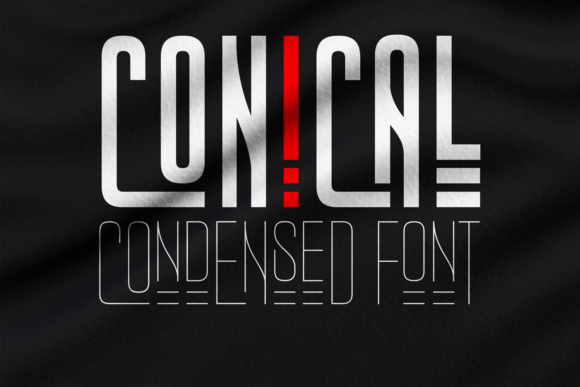
To understand why Conical is so effective, we need to look at what makes it tick visually. At its core, Conical is a sans serif font, but describing it merely as "sans serif" does little justice to its complexity. The letterforms are constructed with sharp, precise angles that evoke a sense of technology and innovation. The terminals—the ends of the strokes—are often cut at distinct angles, giving the text a dynamic, almost aerodynamic feel.
This geometric rigor is balanced by a surprisingly warm personality. Unlike some cold, clinical typefaces that can feel sterile or unapproachable, Conical has a certain friendliness baked into its proportions. The x-height is generous, which aids in readability, while the spacing (tracking) is generally open, allowing the eye to move smoothly across lines of text. This balance is crucial for modern typography, where users expect content to be consumed quickly and effortlessly.
The font family typically includes a wide range of weights, from thin and delicate to bold and impactful. This variety allows designers to create strong visual hierarchy within a single project. You can use a lighter weight for subheadings or body text to maintain elegance, while switching to a heavy weight for headlines to grab attention. This versatility is one of the key reasons Conical has become a favorite among creative professionals who value consistency and cohesion in their work.
Where Conical Shines: Practical Applications
So, where should you actually use Conical? The answer is nearly everywhere, provided the context fits its futuristic aesthetic. Let’s break down some specific scenarios where this display font truly excels.
Logo Design and Brand Identity
In the realm of logo design, simplicity and memorability are paramount. Conical’s unique letterforms make it an excellent candidate for logos in the tech, automotive, and fashion industries. Its geometric nature ensures that the logo remains legible even when scaled down to favicon size. Moreover, the font’s inherent modernity helps position a brand as innovative and forward-thinking. When paired with minimalist iconography, Conical can create a brand identity that feels established yet cutting-edge.
Packaging Design
If you are launching a new consumer product, your packaging needs to communicate value instantly. Conical works beautifully on labels and boxes because its clean lines translate well to various materials, from matte paper to glossy plastic. The font’s sharp edges can mimic the sleekness of the product itself, whether it’s a gadget, a cosmetic item, or a gourmet food product. Using Conical for product names or taglines adds a layer of perceived quality that consumers respond to positively.
Web Design and UI Elements
In web design, readability is non-negotiable. While Conical is primarily a display font, its lighter weights can serve as effective headings for landing pages and blog posts. Its geometric structure renders sharply on high-resolution screens, ensuring that your text looks crisp on everything from mobile phones to 4K monitors. For user interface (UI) elements like buttons, navigation menus, and form labels, Conical provides a clear, unambiguous visual language that guides the user through the site without distraction.
Social Media Graphics
For social media graphics, you have mere seconds to capture attention. Conical’s bold weights are perfect for creating eye-catching quotes, announcements, or promotional banners. The font’s futuristic vibe aligns well with trends in digital marketing, where clean, minimal aesthetics often perform better than cluttered designs. By using Conical consistently across your social channels, you reinforce brand recognition and create a cohesive visual narrative.
Strategic Considerations for Implementation
While Conical is a powerful tool, it requires thoughtful application to achieve the best results. Here are some practical tips for integrating this creative font into your projects effectively.
- Evaluate Project Fit: Not every project needs a futuristic edge. If you are designing for a traditional law firm or a heritage brand, Conical might feel too aggressive or modern. Assess your audience and brand values before committing to this typeface. It works best for brands that want to convey innovation, speed, or precision.
- Master Font Pairing: One of the most common mistakes designers make is pairing two display fonts together. To let Conical shine, pair it with a neutral, highly readable serif font or a simple sans serif font for body text. For example, combining Conical Bold for headlines with a classic serif like Georgia or Garamond for paragraphs creates a striking contrast that enhances readability and visual interest.
- Review Included Styles: Before purchasing or downloading, carefully review the styles included in the font family. Ensure it has the weights you need for your specific project. A comprehensive family with italics, condensed versions, and multiple weights will offer greater flexibility and reduce the need to mix multiple typefaces.
- Consider Readability: While Conical is great for headlines and short bursts of text, avoid using heavy weights for long paragraphs. The geometric shapes can become fatiguing to read over extended periods. Reserve the bolder weights for titles, subtitles, and emphasis, and stick to regular or light weights for longer content.
- Check Commercial Licensing: Always verify the licensing terms if you plan to use Conical for commercial purposes. Some fonts require separate licenses for web, print, and app usage. Understanding these restrictions upfront prevents legal issues and ensures you are using the commercial font responsibly.
Conclusion
Conical is more than just a pretty face; it is a strategic design asset that can significantly enhance the perception of your brand. Its blend of futuristic aesthetics and functional clarity makes it suitable for a wide array of applications, from editorial design to packaging design. By understanding its strengths and limitations, you can leverage Conical to create designs that are not only visually stunning but also effective in communicating your message.
Whether you are a seasoned designer refining your toolkit or a small business owner looking to elevate your brand presence, Conical offers the versatility and impact needed to stand out in a crowded marketplace. Take the time to experiment with different pairings and weights, and you will likely find that this modern typography staple becomes an indispensable part of your creative workflow.