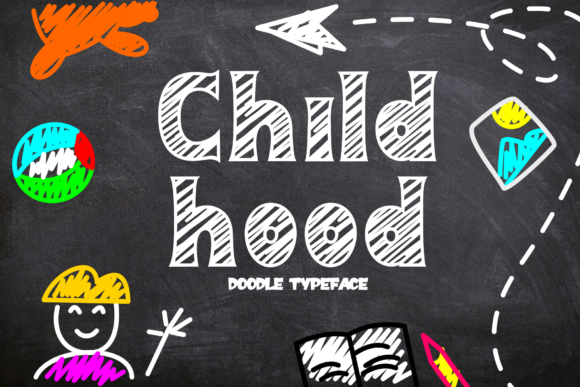
Child Hood: Strategic Applications of a Joyful Display Font for Educational and Creative Branding
In the landscape of visual communication, typography is rarely just about readability; it is about setting an immediate emotional tone. For educators, content creators, and small business owners targeting family-oriented or creative markets, the choice of typeface can dictate whether a message feels authoritative, corporate, or approachable. Child Hood is a distinctive duo font display that bridges the gap between playful charm and authentic realism. Designed with chalkboard aesthetics in mind, this typeface offers more than just a whimsical appearance—it provides a strategic tool for enhancing engagement, fostering trust, and creating memorable learning materials.
This analysis explores how to leverage Child Hood not merely as a decorative element, but as a functional component of your design strategy. By understanding its dual nature—combining display flair with practical dingbats—you can make informed decisions that align with your broader goals in branding, education, and customer experience.
Understanding the Design Architecture of Child Hood
To use any design asset effectively, one must first understand its structural capabilities. Child Hood is categorized as a joyful and fun duo font display. The term "duo" implies a versatile pairing within the set itself, often allowing designers to mix styles or weights for visual hierarchy. However, its most defining characteristic is its simulation of hand-drawn chalk on a blackboard. This aesthetic choice is deliberate. It moves away from the sterile perfection of digital sans-serifs and introduces human imperfection, warmth, and authenticity.
The font includes a comprehensive suite of dingbats. These are not random icons but carefully crafted symbols that complement the typographic style. From arrows and bullets to educational icons like apples, books, and stars, these elements allow for rich visual storytelling without relying on external image assets. This integration reduces file sizes and ensures consistency across different platforms, which is a critical consideration for efficient workflow management.
The Psychology of the Chalkboard Aesthetic
Why does the chalkboard look matter? Psychologically, it triggers associations with classroom settings, creativity workshops, and informal learning environments. When a user encounters text rendered in Child Hood, their brain anticipates content that is accessible, friendly, and non-intimidating. For entrepreneurs and marketers, this lowers the barrier to entry for potential customers. It signals that the brand is approachable and focused on growth and discovery rather than rigid authority.
This authentic look and feel add a personal and realistic touch to designs. In an era where digital content is often perceived as cold or automated, the hand-lettered quality of Child Hood serves as a subtle reminder of human effort and care. This can significantly enhance brand loyalty among audiences who value authenticity over polish.
Strategic Use Cases for Educators and Creators
The versatility of Child Hood makes it suitable for a wide array of applications, particularly those involving teaching materials, social media engagement, and product packaging. Below are specific scenarios where this font delivers measurable value.
- Educational Material Design: Teachers and instructional designers can use Child Hood for worksheets, flashcards, and presentation slides. The clear, legible structure ensures that students can read the content easily, while the playful style keeps them engaged. The included dingbats can replace standard bullet points, turning dry lists into visually interesting guides.
- Social Media Content Creation: For bloggers and influencers, consistency is key. Using Child Hood for quote graphics, announcement posts, or event flyers creates a recognizable visual identity. Its chalkboard theme works exceptionally well for "Tip of the Day" posts, motivational quotes, or behind-the-scenes updates, fostering a sense of community and daily connection with followers.
- Small Business Branding: Bakery owners, craft makers, and boutique retailers can utilize this font for signage, labels, and menus. The rustic, handmade vibe aligns perfectly with products that emphasize artisanal quality. It communicates that the business values craftsmanship and personal attention.
- Event Planning and Invitations: Whether for a birthday party, a workshop, or a school fundraiser, Child Hood sets the right expectation for the event's atmosphere. It suggests fun and participation, encouraging attendees to relax and enjoy the experience.
Planning Your Typography Strategy
Adopting a new font requires more than just downloading the file; it demands a strategic plan to ensure it supports your long-term results. Randomly applying Child Hood to every piece of content can lead to visual fatigue and dilute your brand message. Instead, consider the following planning steps.
Defining Context and Audience
Before designing, ask yourself: Who is the audience, and what is the desired outcome? If you are communicating complex financial data or legal terms, Child Hood is likely inappropriate. Its strength lies in contexts requiring warmth, simplicity, and creativity. Reserve it for headers, pull quotes, and decorative elements rather than body text. For extended reading, pair it with a clean, neutral sans-serif or serif font to maintain readability and professional credibility.
Leveraging Dingbats for Efficiency
One of the most underutilized aspects of Child Hood is its dingbat library. Many designers spend excessive time searching for stock icons that match their brand’s color palette and style. By using the native dingbats, you ensure perfect stylistic harmony. For example, instead of inserting a generic arrow icon, use the chalk-style arrow provided in the font set. This attention to detail demonstrates professionalism and enhances the overall cohesion of your design system.
Maintaining Visual Hierarchy
Because Child Hood is a display font, it naturally draws the eye. Use this property to guide the viewer’s attention. Place the most important information—such as a headline or a call-to-action—in Child Hood, and use simpler fonts for supporting details. This hierarchy helps users process information quickly, improving the user experience and reducing bounce rates on digital platforms.
Risks and Mitigation Strategies
While Child Hood offers significant benefits, relying on it without clear goals can pose risks. The primary danger is overuse. If every element of your design is rendered in a hand-drawn style, the message can become difficult to parse, and the brand may appear unprofessional or childish. To mitigate this, establish strict usage guidelines. Limit the font to specific sections of your materials and ensure ample white space around it to prevent visual clutter.
Another risk is accessibility. Hand-written fonts can sometimes struggle with legibility, especially for users with dyslexia or visual impairments. Always test your designs at various sizes and contrast levels. Ensure that the chalk-like texture does not compromise the contrast ratio against the background. Accessibility is not just an ethical obligation; it expands your market reach and improves SEO performance, as search engines favor user-friendly experiences.
Integrating Child Hood into Long-Term Goals
For decision-makers and entrepreneurs, typography is a long-term investment in brand equity. Consistently using Child Hood in appropriate contexts builds a reputation for creativity and approachability. Over time, this association becomes part of your brand’s identity. Customers will begin to recognize your materials instantly, even without seeing your logo. This recognition is invaluable in crowded markets.
Furthermore, the joy and fun associated with Child Hood can positively impact team morale and internal culture. When employees see their work displayed in such a vibrant format, it reinforces a culture of innovation and positivity. This internal alignment often translates to better customer service and more engaging external communications.
Decision-Making Framework
To decide when to use Child Hood, apply this simple framework:
- Is the goal to engage or inform? If engagement and emotional connection are priorities, choose Child Hood.
- Is the context informal or creative? If the setting allows for personality and playfulness, this font is a strong candidate.
- Does it enhance clarity? Ensure that the font adds to the message rather than obscuring it. Use the dingbats to clarify points, not complicate them.
By approaching Child Hood with intentionality, you transform it from a simple aesthetic choice into a powerful strategic asset. It allows you to communicate with authenticity, foster deeper connections with your audience, and achieve better results in your educational and creative endeavors. Remember, the best designs are not just seen; they are felt. Let the joyful spirit of Child Hood bring that feeling to your projects.